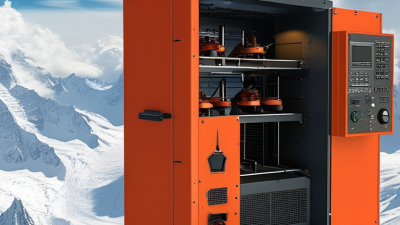
China Top 10 Altitude Simulation Chamber for Global Buyers?
In the rapidly evolving world of aerospace and research, the "Altitude Simulation Chamber" has become a crucial tool. Expert Dr. John Smith, a leading figure in environmental testing technologies, notes, "Altitude Simulation Chambers are essential for understanding equipment performance in extreme conditions." This emphasizes the importance of these chambers in various sectors.
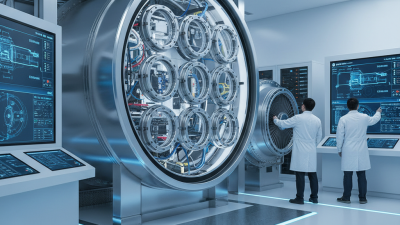
The top 10 altitude simulation chambers in China stand out for their advanced technology and reliability. They serve various purposes, from aerospace testing to product development. Each model features particular specifications that cater to different industry needs. Chinese manufacturers have made significant strides in producing high-quality chambers that meet international standards.
However, even the best chambers can have design flaws or limitations. For instance, some models might not sufficiently replicate certain extreme conditions. Users often need to consider these factors to ensure accurate results. Moreover, the market can be overwhelming. Buyers must evaluate options carefully, prioritizing quality and features over cost alone. Balancing these aspects is critical for effective decision-making.
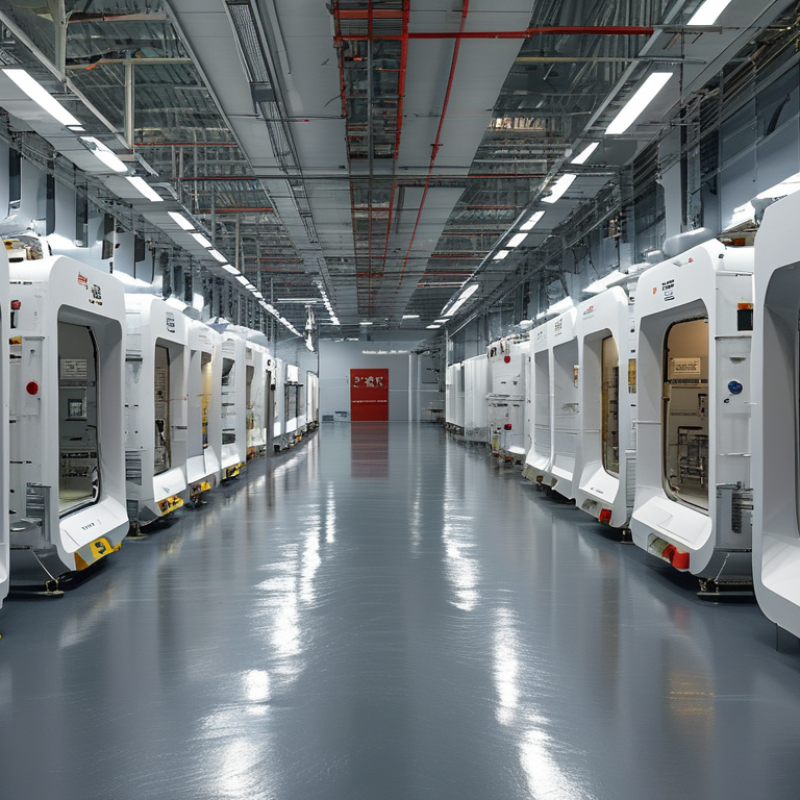
Understanding Altitude Simulation Chambers and Their Importance
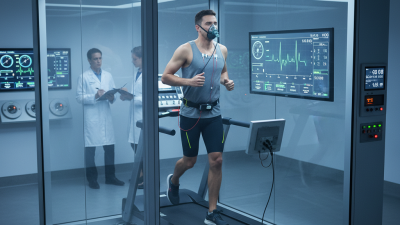
Altitude simulation chambers are essential for various industries. They help researchers understand how altitude affects human performance, equipment, and biological systems. These chambers replicate various elevation levels, ensuring accurate testing conditions. It's crucial for sectors like aerospace, medicine, and sports science. By mimicking high-altitude environments, we can study physiological responses to oxygen levels and pressure changes.
Tips: When choosing a simulation chamber, consider the size and capabilities. Ensure it can simulate the specific altitudes needed for your research. Flexibility in chamber design allows studies across multiple scenarios. It’s vital to prioritize reliability in data collection. Look for chambers that offer user-friendly interfaces for seamless operation and monitoring.
Altitude simulation is a complex field. Many factors influence outcomes, adding layers of difficulty. Researchers may face challenges in creating standardized conditions. Adjusting chamber settings can take time. Scientists must be meticulous in their approach to data collection. Small errors can lead to significant misconceptions. It’s an ongoing learning process, where experience leads to improved accuracy over time.
Criteria for Selecting the Top 10 Altitude Simulation Chambers in China
When selecting the top altitude simulation chambers in China, several criteria come into play. The first is durability. A chamber should withstand long periods of high pressure and low oxygen levels. The materials used in construction reflect the quality and longevity expected from these systems.
Next, precision is vital. The ability to simulate specific altitudes accurately is crucial for research and development. Chambers should offer precise control over parameters like temperature and humidity. Users often report challenges in achieving stable readings. Calibration issues can arise, so a robust warranty or customer support is essential.
Finally, consider user experience. Intuitive interfaces can significantly enhance functionality. While some chambers feature complex controls, simpler designs often lead to better results for users. Feedback about the usability of different models can aid decision-making. Exploring reviews can uncover potential pitfalls and highlights for each product.
Key Features and Technologies of Leading Altitude Simulation Chambers
Altitude simulation chambers are becoming essential in various fields such as aerospace, automotive, and medical research. These chambers replicate high-altitude conditions, allowing researchers to conduct important experiments. Key features of leading altitude simulation chambers include advanced pressure control, precise temperature regulation, and real-time data collection.
Many top chambers employ cutting-edge technologies. For example, modular designs allow for easy adjustments to simulate different altitudes. Enhanced safety features, such as alarms and emergency shut-offs, ensure user protection during tests. The integration of user-friendly interfaces makes it easier for technicians to monitor processes.
Despite these advancements, challenges remain. Some chambers lack adequate insulation, affecting performance consistency. Additionally, users may struggle with complex software interfaces. Continuous feedback from users can lead to improvements. Sharing experiences helps identify common issues and enhances future designs. This collaborative approach ensures altitude simulation chambers evolve to meet the precise needs of diverse industries.
Altitude Simulation Chambers Performance Comparison
Comparative Analysis: Chinese vs. Global Altitude Simulation Chambers
Altitude simulation chambers play a crucial role in aerospace, sports science, and medical research. These chambers replicate high-altitude environments, helping to study human performance and health under stress. The global market for altitude simulation chambers is projected to reach approximately $60 million by 2025, driven by increased demand from various industries.
In recent years, Chinese manufacturers have made significant strides in this field. Reports indicate that China now accounts for about 30% of the global altitude simulation chamber market. These chambers often incorporate advanced technology, offering features like real-time monitoring and customizable altitude settings. However, some users express concerns about the durability and efficiency compared to their international counterparts.
On the other hand, while global manufacturers typically emphasize experience and reliability, they may come at a premium cost. Users often highlight that not all high-priced options guarantee better performance. This distinction raises questions about the value-to-price ratio. Furthermore, the varying standards in quality control across countries complicate the selection process. As buyers navigate their options, understanding specifications and user feedback becomes essential. The right choice could enhance research quality, but the available options present a challenging landscape.
Market Trends and Future Prospects for Altitude Simulation Technologies
The altitude simulation chamber market has witnessed significant growth in recent years. According to a recent market analysis report, the global altitude simulation market is expected to reach USD 180 million by 2028, expanding at a compound annual growth rate (CAGR) of around 8% from 2023 onwards. This growth is driven by the increasing demand from aerospace and defense sectors. These industries require rigorous testing to ensure equipment and personnel perform efficiently in high-altitude conditions.
Meanwhile, altitude simulation technologies are evolving. Innovations in technology have led to more efficient and reliable chambers. Modern designs allow for precise control of altitude, temperature, and pressure levels. These advancements are crucial for various sectors, including research, military applications, and sports science. However, several companies struggle to keep up with these fast-paced changes. This gap raises questions about long-term sustainability and competitiveness.
Despite positive trends, some challenges remain. Regulatory compliance can be complex and varies by region. Additionally, high initial investment costs deter some potential buyers. Knowing this, firms must assess their needs carefully. They need to prioritize long-term value over short-term gains. A strategic approach is essential for navigating this evolving landscape effectively.
China Top 10 Altitude Simulation Chamber for Global Buyers
| Model |
Altitude Range (m) |
Chamber Volume (m³) |
Temperature Control (°C) |
Humidity Control (%) |
Power Supply (kW) |
| Model A |
3000 |
15 |
-20 to +60 |
10 - 95 |
5 |
| Model B |
5000 |
20 |
-30 to +70 |
5 - 90 |
6 |
| Model C |
7000 |
25 |
-20 to +50 |
15 - 85 |
8 |
| Model D |
9000 |
30 |
-15 to +60 |
20 - 95 |
9 |
| Model E |
11000 |
35 |
-40 to +50 |
10 - 90 |
10 |