2026 Top Drop Testing Machine Insights for Global Buyers?
In an age where product quality reigns supreme, the Drop Testing Machine stands out as a crucial tool for manufacturers. With the global testing equipment market expected to reach USD 1.2 billion by 2025, the focus on quality assurance is evident. Effective drop testing evaluates product durability, preventing costly recalls. Notably, according to a recent study, 78% of companies reported reduced damage rates due to rigorous drop testing protocols.
The significance of a reliable Drop Testing Machine cannot be understated. It simulates real-world conditions, allowing brands to understand how their products perform under stress. For instance, electronic devices are often dropped multiple times in their lifecycle. Studies show that 30% of consumer electronics fail due to drop-related incidents. This emphasizes the need for rigorous testing to ensure safety and reliability.
However, advancements in technology also bring challenges. As machines become more sophisticated, the learning curve increases. Many companies struggle to keep up with the latest developments. Adapting to new testing standards and methodologies is crucial. Thus, investing in current insights and innovations related to Drop Testing Machines is imperative for global buyers aiming to enhance product resilience.
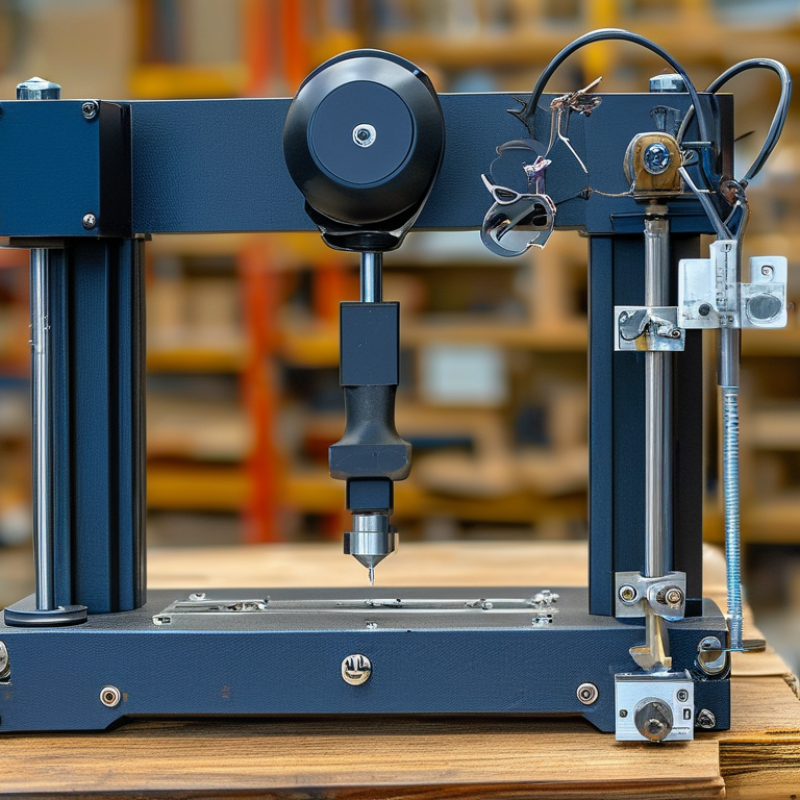
Overview of Drop Testing Machines Used in Various Industries
Drop testing machines are essential in various industries. They ensure products can withstand impacts during shipping and handling. These machines simulate real-world conditions to assess durability. Industries like electronics, packaging, and automotive rely heavily on these tests. For example, smartphones undergo rigorous drop testing to confirm their robustness.
In the packaging industry, drop testing machines help in evaluating the protective features of packaging. Different materials react differently under stress. Understanding how they perform can guide design improvements. However, not all tests replicate actual scenarios. Some flaws in testing procedures can lead to overestimating protective capabilities. This area requires constant refinement.
Automotive safety testing also benefits from drop machines. Components are subjected to specific drop heights and surfaces. This evaluation helps in making better vehicles. Yet, the results may sometimes bring unexpected insights. Engineers often find that certain materials break more easily than anticipated. This inconsistency highlights the need for thorough analysis and iteration in testing methods.
2026 Top Drop Testing Machine Insights for Global Buyers
| Machine Type |
Industry Application |
Drop Height (m) |
Test Standards |
Price Range (USD) |
| Electromechanical Drop Tester |
Electronics |
0.3 - 2.0 |
IEC 60068-2-32 |
$5,000 - $10,000 |
| Hydraulic Drop Tester |
Automotive |
0.5 - 3.5 |
ISO 12100 |
$8,000 - $15,000 |
| Pneumatic Drop Tester |
Packaging |
0.4 - 2.5 |
ASTM D5276 |
$3,000 - $7,000 |
| Inverted Drop Tester |
Consumer Goods |
0.5 - 1.5 |
MIL-STD-810 |
$4,500 - $9,000 |
| Drop Test System with Data Logging |
Telecommunications |
0.3 - 4.0 |
ANSI C63.4 |
$10,000 - $20,000 |
Key Features and Specifications of 2026 Drop Testing Machines
When exploring the key features of drop testing machines in 2026, several specifications stand out. Modern machines focus on precision and adaptability. They often come equipped with adjustable drop heights and advanced acceleration sensors. This ensures that tests reflect real-world conditions accurately.
Another important feature is data analysis capabilities. Machines now integrate software that collects and analyzes impact data. This data is crucial for understanding how products perform under stress. Look for machines that offer easy-to-read reports. Comprehensive data helps in making informed decisions about product design.
Tips: Always consider the machine’s build quality. A sturdier design often translates to better durability. Additionally, inquire about customer support services. Powerful machines require support for troubleshooting and maintenance. Researching the machine's specifications thoroughly is wise. Some features may not align with your testing needs, demanding careful consideration.
Global Market Trends and Demand for Drop Testing Equipment
The global demand for drop testing equipment is on the rise. Industries prioritize product durability and reliability. This trend shows no signs of slowing down. Manufacturers seek high standards to ensure quality from their products. Companies are investing more in testing solutions. This investment highlights the importance of safety in transportation and handling.
Tips: Choose machines that fit your specific needs. Consider testing environments, weight limits, and material types. Not all equipment suits every application. Invest wisely to avoid costly disruptions.
Experts suggest that technology plays a crucial role in testing processes. Automated systems improve efficiency and accuracy. However, not all teams embrace these changes. Some may resist newer methods due to fear of the unknown. It's essential to assess both traditional and modern testing methods. Understanding the balance is key to successful testing strategies.
Regular updates and maintenance are often overlooked. Neglected machines may lead to unreliable outcomes. Ensure equipment is kept in optimal condition. Train staff on best practices for maximum efficiency and effectiveness.
Selection Criteria for Buyers of Drop Testing Machines in 2026
When selecting a drop testing machine in 2026, buyers should consider several key criteria to ensure optimal performance. One critical factor is the test speed. Machines that mimic real-world conditions often yield the most reliable data. According to industry reports, machines with adjustable drop heights offer flexibility for various testing requirements.
Additionally, accuracy and repeatability are essential. Buyers should seek machines that can consistently produce results. A recent study noted that machines with advanced sensors can reduce variances by up to 15%. This level of precision ensures that products endure rigorous market demands.
Cost-efficiency cannot be overlooked. While a lower initial investment may appeal to buyers, maintenance and calibration costs often add up. Machines that require frequent servicing can become expensive over time. Balancing initial costs with long-term expenses is crucial for any business. Understanding these factors can guide buyers to make informed decisions in a competitive landscape.
Innovative Technologies and Improvements in Drop Testing Testing Methods
Drop testing is an essential process for evaluating product durability. Innovative technologies have transformed how we approach drop testing. Current methods now integrate advanced sensors and real-time data analytics. These improvements enable precise measurement of impact forces.
Recent developments include the use of automated testing rigs. These rigs can simulate various drop heights and angles. They enhance consistency in testing environments. However, this technology also poses challenges. Not all products can be accurately tested with automated methods. Some materials respond differently to impacts, necessitating specialized testing approaches.
Moreover, virtual simulations have emerged as a powerful tool. They allow engineers to predict a product's performance without physical testing. Yet, simulations may not fully replicate real-world conditions. It’s essential to balance virtual testing with hands-on evaluations. Continuous feedback is crucial for refining testing procedures and ensuring reliability.
2026 Drop Testing Machine Insights
This chart displays insights into the rating of various dimensions related to drop testing machines for 2026. Each aspect, from impact resistance to user-friendly design, has been rated on a scale of 1 to 10, indicating prospective trends for global buyers.