2026 Top Drop Testing Machine Types for Global Buyers
In 2026, global buyers need more than a catalogue photograph and a low quoted price. A reliable Drop Testing Machine should reproduce real handling shocks, protect operators, and generate evidence that engineers can trust. Packages fall differently from pallets, small cartons, and heavy appliances. The machine type must match the product, test height, load range, and laboratory workflow.
This guide examines free-fall, single-arm, double-column, inclined-impact, carton, and pallet drop testing systems. Each design has practical strengths. A double-column frame can offer stable vertical movement for repeated tests. An inclined-impact model can better represent sliding contact during transport. A pallet tester needs greater clearance, stronger fixtures, and careful floor planning. Small details matter. Platform rigidity, release accuracy, sensor placement, guarding, and software records can affect the final result.
Experienced buyers should review calibration certificates, test repeatability, spare-part access, installation requirements, and technical support before comparing prices. Standards such as ASTM, ISTA, and ISO may guide the method, but the correct version and application still require verification. A supplier’s test data should explain conditions clearly, including specimen weight, drop orientation, height, and surface type. A polished brochure is not proof. Sometimes, a cheaper machine becomes expensive after weak training or delayed repairs. That gap matters.
The following overview helps procurement teams compare machine types with greater confidence. It also highlights limitations that sales descriptions may overlook. No single design fits every laboratory. Careful selection remains the safest investment.
What Is a Drop Testing Machine and Why Is It Used?
2026 Top Drop Testing Machine Types for Global Buyers
What Is a Drop Testing Machine and Why Is It Used?
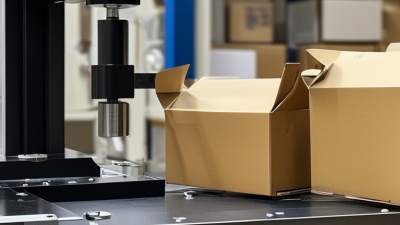
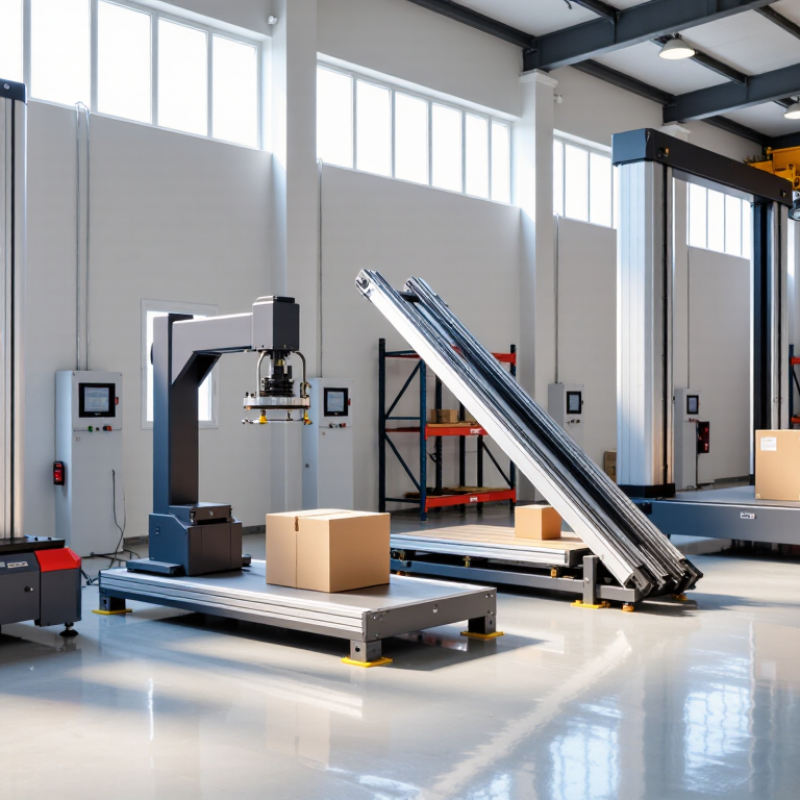
A drop testing machine is laboratory equipment that releases a product or package from a controlled height. It measures damage caused by free-fall impact during handling, transport, or storage. The unit can test flat faces, edges, and corners. These impact points often reveal weak packaging design. Common types include single-column, double-column, and inclined drop testers. Each type supports different product sizes, weights, and testing routines.
Manufacturers use drop testing machines to improve product protection and reduce transport-related failures. A controlled test is more reliable than dropping samples by hand. Operators can record drop height, orientation, and impact results with better consistency. Global buyers should check platform size, load capacity, release accuracy, and safety protection. The selected machine must match the product, packaging material, and applicable test method. A high drop height is not always better. It may create unrealistic damage.
Tips: Secure the sample carefully. Confirm the center of gravity before testing. Inspect the package after every impact, including hidden damage inside. Keep photographs and test records for comparison. Repeat uncertain results. Real handling is messier than a laboratory test, so one successful drop cannot prove complete protection. Test data also needs human judgment, because a clean pass may still hide weak corners, loose inserts, or gradual material fatigue.
How Different Drop Testers Work and Compare
Global parcel volumes reached 161.8 billion shipments in 2022, according to the 2023 Parcel Shipping Index. That scale makes realistic drop testing essential. A free-fall tester releases a packaged product from a set height. It checks face, edge, and corner impacts under controlled conditions. ASTM D5276 covers this method, while ISTA 3A adds vibration and other distribution hazards.
Guided drop testers improve repeatability. Their carriage reduces release errors and keeps the package aligned. Pneumatic systems can control height and speed more precisely, especially for heavy cartons.
Rotational edge-drop machines pivot a package onto one edge. They expose weak seams, closures, and internal supports. Inclined impact testers move packages along a rail, then strike a stop. This better represents conveyor collisions and sliding freight contact.
Each machine answers a different question. Free-fall testing shows whether a carton survives a sudden vertical impact. Inclined impact testing reveals damage from horizontal movement. Rotational testing focuses on edge energy and structural imbalance. In practical laboratory work, the smallest details matter, including tape tension, product orientation, and conditioning temperature. A neat test result can still mislead. Real handling is messier. Drop height alone is not enough. Testers should compare acceleration, impact angle, damage location, and repeatability. The 2023 Global Packaging Trends report also identified e-commerce handling as a major pressure on protective packaging design. That pressure makes multi-method testing more defensible than relying on one dramatic drop.
Key Specifications for Global Buyers to Evaluate
2026 Top Drop Testing Machine Types for Global Buyers
Global buyers should compare machine design before comparing price. Vertical drop testers suit cartons, bottles, and compact packages. Rotational drop testers help examine corners, edges, and faces under controlled impact. For irregular loads, a guided free-fall system offers better repeatability than manual handling.
Key Specifications for Global Buyers to Evaluate
Check the usable load range, drop height, platform size, and release accuracy. ASTM D5276 and ISO 2248 define widely used free-fall testing practices, but they do not create one universal test setting. A machine should support adjustable heights, often from 300 to 1,500 millimeters, with a repeatable release mechanism. Verify whether the platform accepts loads above 100 kilograms. Some suppliers state maximum capacity without explaining fixture limitations. That detail matters.
Measurement quality also deserves attention. A 2024 packaging industry outlook from Smithers identifies e-commerce packaging as a major demand driver through 2029, increasing pressure for repeatable transit testing. Select digital height displays, impact sensors, emergency stops, and data export in CSV format. Ask for calibration records traceable to recognized laboratories. ISO 17025 calibration support is valuable for multinational quality teams. It reduces disputes between factories and buyers.
Think beyond the laboratory.
Check power frequency, language settings, floor anchoring, and spare-part availability. A 220-volt machine may not suit every warehouse. Noise, operator clearance, and crate dimensions can affect installation. I have seen buyers choose a high-capacity tester, then discover their cartons cannot fit the platform. A polished specification sheet can still mislead. Request a sample test using your actual package, filled weight, and cushioning material.
How to Choose the Right Drop Testing Machine for Your Needs
Choosing a drop testing machine starts with the package, not the catalog. The World Bank’s 2023 Logistics Performance Index reported that international supply chains can take about 44 days from port entry to delivery. Longer journeys create more handling opportunities. Test the risks your shipment actually faces.
Use a free-fall tester for cartons, consumer goods, and parcel shipments. It reproduces controlled drops onto a rigid surface. ASTM D5276 and ISO 2248 provide useful test frameworks. Choose a guided release system when repeatability matters. For heavier loads, verify the machine’s capacity, lifting height, table size, and emergency controls. A drop height that looks impressive may still be unsuitable for your product.
An inclined-impact tester suits packages exposed to conveyor or truck-side collisions. Edge, corner, and rotational tests reveal weak closures and poorly placed cushioning. Add a compression or vibration sequence when transport damage involves stacking and movement. Data logging helps compare acceleration, drop height, and failure location. It is easy to over-test. I have seen teams select severe settings without matching real shipping conditions. That produces dramatic results, but not always useful decisions. Check calibration records, sensor accuracy, and fixture compatibility before purchase. A smaller machine with reliable repeatability can outperform a larger, poorly controlled system.