2026 How to Choose the Best Double-Wing Drop Tester?
Choosing the right Double-Wing Drop Tester can greatly impact your product's quality assurance. This tester is crucial for evaluating packaging durability. It simulates real-world dropping scenarios, providing valuable data on how products withstand mishandling.
When selecting a Double-Wing Drop Tester, consider its features, calibration, and testing standards. Some models may offer advanced features but come with a steep learning curve. Ensure you have the expertise to operate the device effectively. Research is essential. Review user experiences and feedback to gauge reliability.
Keep in mind that not all testers are created equal. Poor choices can lead to inadequate testing and flawed results. Reflect on your own needs and the specific requirements of your products. A thoughtful approach to this decision provides better outcomes, improving performance in the market.
Factors to Consider When Selecting a Double-Wing Drop Tester
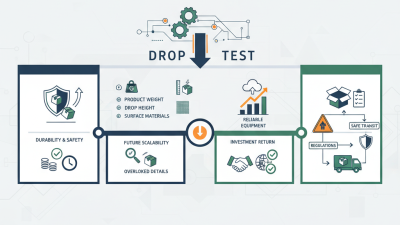
When selecting a double-wing drop tester, attention to key factors is essential. Start with the tester's weight capacity. Ensure it can handle your product sizes and weights. Evaluate the testing height. Different products may require specific drop heights to accurately simulate real-world scenarios. A tester with adjustable heights offers versatility.
Consider the material of the tester itself. Durable and resistant materials can enhance longevity. Look for testers with easy-to-replace parts, as wear and tear may occur over time. User feedback is crucial. Seek reviews from those who have used various testers. Their insights can highlight practical issues.
Don’t overlook the calibration requirements. Frequent calibrations ensure accurate testing results. An easy calibration process saves time and enhances reliability. Finally, assess the available support and resources from the manufacturer. Technical assistance and detailed manuals can prevent challenges during operation. Choosing the right drop tester involves thoughtful consideration of these details.
Understanding the Different Types of Double-Wing Drop Testers
When selecting a double-wing drop tester, it's essential to understand the various types available on the market. These testers are primarily designed to evaluate packaging performance during shipping. The two main types are the free-fall drop tester and the guided drop tester. Each serves different purposes depending on test requirements and product specifications.
Free-fall drop testers are the most common. They allow a package to drop freely from a specified height. According to a recent industry report, over 70% of manufacturers prefer this type for general packaging tests. In contrast, guided drop testers provide a controlled drop, which is vital for evaluating fragile products. This distinction can impact test results significantly, as the drop method influences the failure modes observed.
Selecting the right type requires careful consideration of your products. Test environments must replicate real-world conditions, such as handling and transport. Many companies overlook this and choose based solely on cost. However, approximately 65% of product failures during shipping stem from inadequate testing procedures. Using the appropriate double-wing drop tester can enhance product durability and reduce costly returns.
Key Specifications and Features to Look for in Testing Equipment
When selecting a double-wing drop tester, key specifications must be prioritized. Look for a tester that offers adjustable drop heights. This flexibility allows testing samples of varying durability.
Another essential feature is the ability to accommodate different weight limits. Ensure the device can handle your specific materials comfortably.
Calibration and accuracy are critical. A reliable tester provides consistent results across repeated tests. This can save time and resources in development. An intuitive interface simplifies the testing process, making it user-friendly. Accessibility in design can enhance efficiency significantly.
Consider the after-sales support and warranty. This often reflects the manufacturer's trust in their product. Users often overlook the importance of training services for complex equipment.
Having skilled personnel can make a substantial difference in the evaluation process. It's easy to underestimate the long-term costs associated with poor equipment choices. Reflect on your testing needs carefully.
Recommended Brands and Models in the Industry
When selecting a double-wing drop tester, consider the leading brands in the industry. Industry reports indicate that certain models have consistently outperformed competitors in accuracy and durability. For instance, testers that utilize advanced sensor technology provide precise measurements, reducing the margin of error. This is crucial when testing packaging or products that need to withstand rigorous conditions.
Another essential factor is the user interface. User-friendly designs enhance productivity. Testers with intuitive controls allow for quick setup and adjustments. Some advanced models also feature automated data logging, streamlining the process significantly. Despite these advancements, there are still concerns regarding maintenance. Regular calibration and servicing can be a hassle, potentially leading to downtimes that affect testing schedules.
Furthermore, cost is an important consideration for many businesses. Investing in higher-end models may seem excessive initially. Yet, the return on investment can be substantial if it results in improved product reliability. Companies should weigh not just initial costs but also the potential for better quality assurance and reduced returns. Reflecting on available options ensures the right choice aligns with specific testing needs.
Best Practices for Maintaining and Using Double-Wing Drop Testers
When using Double-Wing Drop Testers, proper maintenance is essential for reliable results. Regular inspections can prevent unexpected failures. Check the alignment of wings and ensure they move freely. Dust and debris can accumulate, so cleaning is vital. Use a soft cloth to wipe down the surfaces, avoiding harsh chemicals. Over time, wear and tear on components can compromise accuracy, so look for any signs of damage regularly.
Training personnel is key to effective usage. Users should understand the equipment's principles and operation. Misuse can lead to inconsistent results. Regular training sessions can help reinforce best practices. Encourage users to report any irregularities immediately. This proactive approach helps maintain the longevity of the tester.
Documentation of tests is also important. Keeping detailed records aids in identifying patterns over time. This can help in troubleshooting and understanding the tester's performance. Encourage a culture of reflection on the outcomes of each test. Sharing insights can lead to improvements in testing methods and equipment handling. Adaptation and learning from experiences contribute to increased reliability in testing processes.
2026 Double-Wing Drop Tester Efficiency Analysis
This chart illustrates the efficiency of double-wing drop testers based on different testing scenarios. The data sets represent the average drop height (in inches) vs. the number of tests conducted over a simulated period. The analysis aims to help in choosing the best double-wing drop tester and maintaining its performance in various conditions.