China Best Altitude Test Chamber for Reliable Performance Testing?
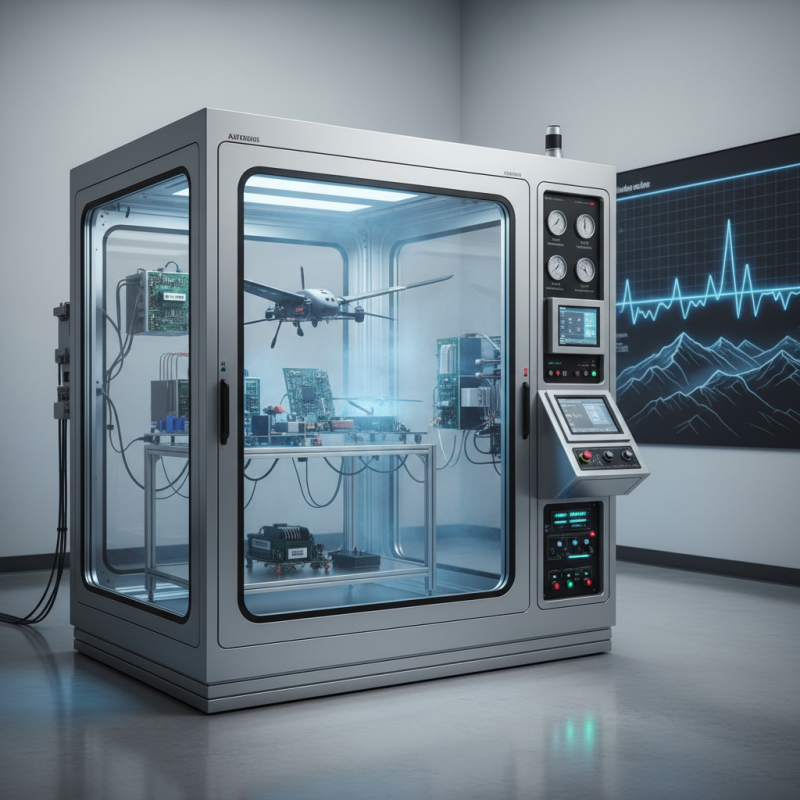
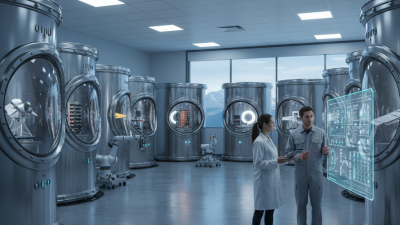
In the field of performance testing, the **Altitude Test Chamber** stands as a critical tool. This equipment simulates high-altitude conditions, allowing for reliable assessments of various products, including electronics and aerospace components. With the rapid growth of technology, choosing the right chamber is essential.
Many manufacturers claim superiority, but understanding their features is key. A well-designed **Altitude Test Chamber** should maintain consistent pressure and temperature during tests. Variability can lead to inaccurate results, which can be detrimental. Companies often overlook maintenance, leading to unexpected failures in tests.
However, not all chambers are created equal. Some may lack advanced control systems or fail to maintain stability. Users should invest time in research to find a chamber that meets specific testing requirements. Performance reliability hinges on these details.
China’s Leading Altitude Test Chambers: An Overview of Technology
Altitude test chambers play a crucial role in assessing product reliability. These chambers simulate high-altitude conditions. This allows engineers to study the behavior of materials and components under stress. The technology behind these chambers is constantly evolving. Modern versions offer precise control over temperature and pressure. This precision is vital for ensuring accurate test results.
China has made significant strides in developing altitude test chambers. The focus is on improving reliability and efficiency. Advanced sensors monitor environmental changes in real-time. Many chambers also feature user-friendly interfaces. This simplification aids technicians in managing complex tests. Despite advancements, some challenges remain. Older models may lack certain modern features, leading to variability in results.
Effective performance testing requires more than just technology. Understanding how to interpret data is essential. Engineers often face difficulties analyzing results. This can lead to misjudgments in product development. Continual training and experience are crucial for engineers. As technology progresses, so must the skills of the team.
China Best Altitude Test Chamber for Reliable Performance Testing
| Model |
Altitude Range (m) |
Temperature Range (°C) |
Test Chamber Volume (L) |
Power Supply (V/Hz) |
Weight (kg) |
| AC-100 |
0 - 5000 |
-40 to 85 |
100 |
220 / 50 |
150 |
| AC-200 |
0 - 10000 |
-50 to 100 |
200 |
220 / 60 |
200 |
| AC-300 |
0 - 12000 |
-60 to 120 |
300 |
380 / 50 |
250 |
| AC-400 |
0 - 15000 |
-70 to 150 |
400 |
380 / 60 |
300 |
Key Features of Reliable Altitude Test Chambers in China’s Market
Altitude test chambers play a crucial role in evaluating product performance under varying atmospheric conditions. Reliable altitude test chambers are essential for industries in China. These chambers simulate high altitude environments, enabling precise testing for aerospace, automotive, and electronics sectors.
Key features to consider include pressure control, temperature accuracy, and humidity levels. A report from the China Instruments Industry Association states that around 70% of manufacturers prioritize these features. Moreover, advanced models offer a programmable interface, enabling efficient testing cycles. It’s vital that these chambers maintain stability to avoid erroneous data. Fluctuations can lead to inaccurate results, compromising product reliability.
Another important aspect is energy efficiency. As energy costs rise, manufacturers face pressure to reduce consumption. Data from the China Energy Conservation Association indicates that up to 30% of energy can be saved with modern technology. However, balancing cost and performance remains challenging. Companies need to invest in high-quality materials without sacrificing affordability. This ongoing struggle highlights the need for continual improvements in chamber design and technology.
Comparative Analysis: Altitude Test Chamber Performance Standards
Altitude test chambers are vital for evaluating product performance under varying atmospheric conditions. A comparative analysis of performance standards reveals significant differences in chamber design and functionality. According to a recent industry report, nearly 30% of test chambers fail to meet required specifications for altitude simulation. This raises concerns about reliability and accuracy in testing processes.
A well-designed altitude test chamber should maintain consistent pressure and temperature. Data indicates that fluctuations in pressure can lead to skewed results. In fact, research shows that even a 5% deviation from the standard can affect electronic device functionality. Testing protocols must ensure chambers operate within stringent parameters to prevent misleading outcomes.
Furthermore, expert analysis suggests that a lack of proper calibration can compromise test authenticity. Many manufacturers overlook regular maintenance, resulting in degraded chamber performance. Ensuring reliability in altitude testing hinges on up-to-date equipment and adherence to performance standards. This highlights the need for continuous improvement in test chamber technology and practices.
Industry Applications and Demand for Altitude Testing Solutions
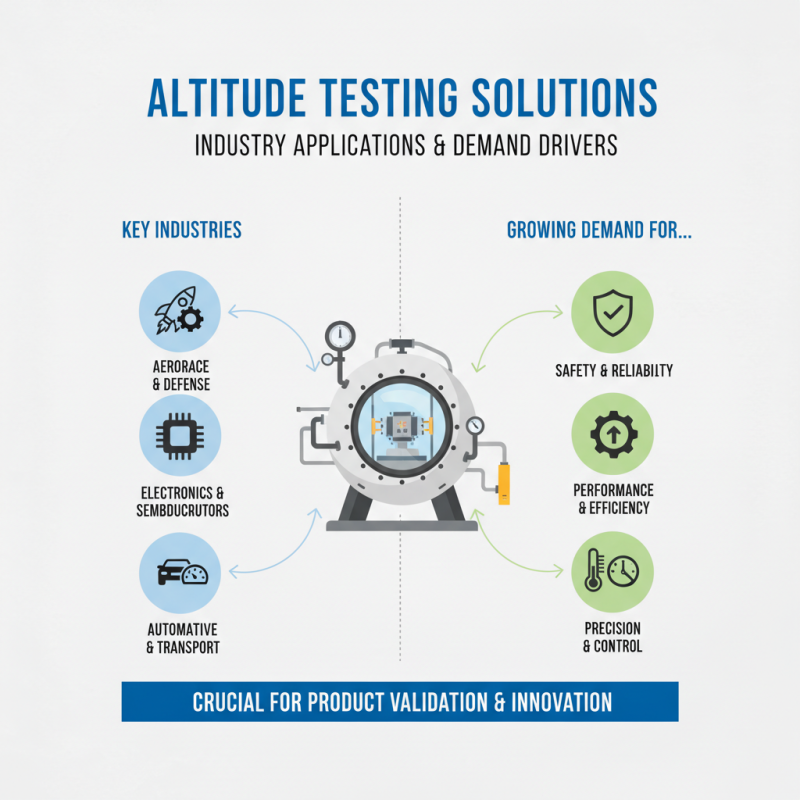
Altitude testing is crucial for various industries, including aerospace, electronics, and automotive. These test chambers replicate high-altitude conditions to evaluate product performance. The demand for reliable altitude testing solutions is ever-increasing, driven by the need for safety and efficiency. Engineers often seek chambers that provide precise environmental control.
One essential tip is to ensure that the altitude chamber you choose can mimic a wide range of conditions. This includes temperature variations and pressure changes. It is vital to validate that the equipment meets industry standards. Inconsistent testing conditions can lead to unreliable data, affecting product development.
Moreover, consider the size and capacity of the altitude test chamber. Larger components or multiple products might require more expansive chambers. Inadequate space can restrict testing and yield inaccurate results. Test planning should carefully assess the project's specific needs before selecting a chamber. Always remember, the right equipment is key to successful altitude testing.
Future Trends in Altitude Testing Technology for Enhanced Reliability
Altitude testing technology has evolved significantly, focusing on enhancing the reliability of performance testing across various sectors. According to a recent market analysis by the International Society of Automation, the demand for altitude test chambers is expected to grow by 8.5% annually. This trend highlights the industry's need for reliable testing methods that ensure product resilience in high-altitude conditions.
Recent innovations include advanced sensors and automation systems placed in test chambers. These tools provide real-time data, allowing engineers to assess performance more accurately. For instance, the integration of AI-driven analytics contributes to predictive maintenance, addressing potential failures before they occur. However, challenges remain. The calibration of these sophisticated systems often requires specialized knowledge, which can vary across regions. Additionally, discrepancies in data interpretation can lead to inconsistent testing results, underscoring the importance of standardized protocols in testing.
As the industry progresses, a focus on sustainable technology also emerges. Environmentally friendly materials for altitude chambers are gaining traction. These improvements can reduce the carbon footprint of testing processes. Yet, cost implications might inhibit broader adoption in developing markets. Balancing innovation with economic viability remains a crucial consideration for industry stakeholders.