How to Choose the Right Drop Test Equipment for Your Needs?
Choosing the right Drop Test Equipment can be challenging. Industry expert Dr. Emily Carter states, "Selecting the right equipment is crucial to product safety." Her insight highlights the importance of understanding your specific requirements.
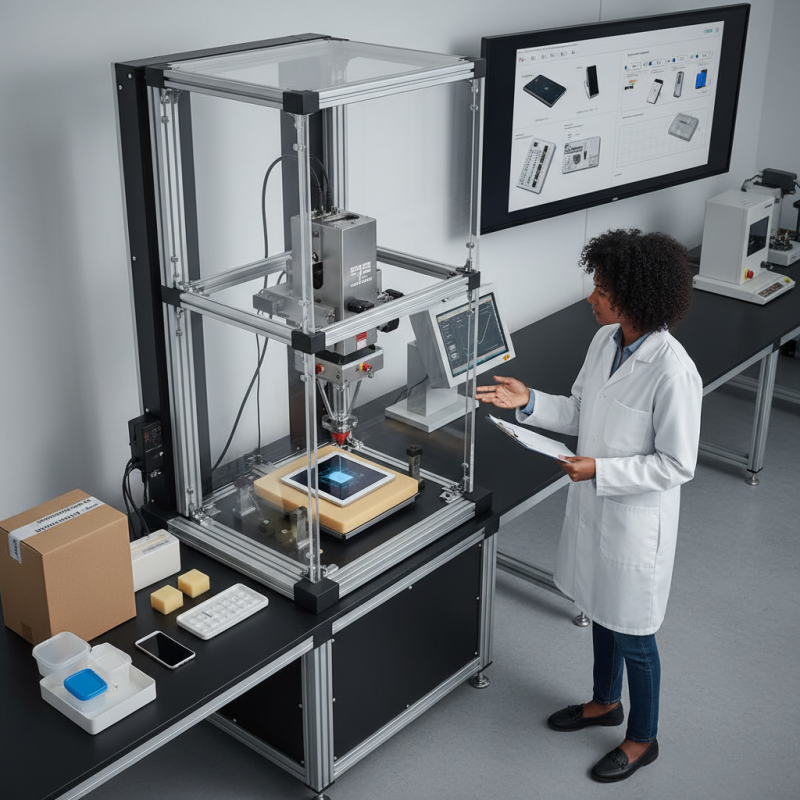
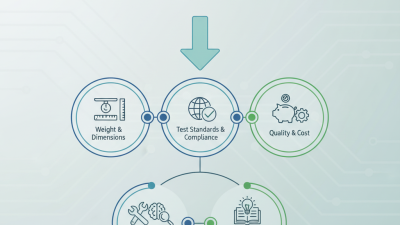
When considering Drop Test Equipment, think about the type of products you will test. Are they fragile electronics or durable packaging? Each scenario demands different testing standards. Additionally, evaluate the weight and dimensions of the equipment. This can affect both the accuracy and reliability of test results.
Budget constraints often influence decisions. However, investing in quality Drop Test Equipment pays off in the long run. It ensures accurate data, essential for product development. Remember that poor choices can lead to inadequate testing outcomes. Therefore, take time to research and consult with industry professionals before making a purchase.
Understanding Drop Test Equipment: Types and Functions
Choosing the right drop test equipment begins with understanding its types and functions. Drop test equipment varies widely. Some simulate real-world impacts, while others assess packaging durability. For example, environmental chambers replicate temperature effects during drops. According to recent industry reports, over 70% of product failures occur due to inadequate testing methods.
Consider the type of products you intend to test. For fragile items, choose equipment that mimics actual handling conditions. Not all equipment is created equal. Some may lack critical features needed for specific tests. Researching and comparing features can save you from costly errors.
Tips: Define your criteria clearly. Consider size, weight, and type of materials in your testing process. Gather data on setup efficiency. Evaluate how easily operators can use the equipment. Ensure the equipment aligns with industry standards. Test procedures often change, causing gaps in knowledge. Constant training may be necessary to stay updated on best practices.
How to Choose the Right Drop Test Equipment for Your Needs?
| Type of Equipment |
Function |
Weight Capacity (lbs) |
Drop Height (ft) |
Price Range (USD) |
| Mechanical Drop Tester |
Simulates falls to assess damage |
50 |
10 |
$2,000 - $5,000 |
| Drop Tester with Data Logging |
Records and analyzes impact data |
100 |
6 |
$3,500 - $7,500 |
| Automated Drop Test System |
Fully automated drop testing |
200 |
15 |
$8,000 - $15,000 |
| Mobile Drop Test Apparatus |
Portable testing for field use |
75 |
8 |
$1,500 - $4,000 |
| Inclined Drop Test Rig |
Tests sloped drop impacts |
120 |
12 |
$4,000 - $9,000 |
Key Factors to Consider When Selecting Drop Test Equipment
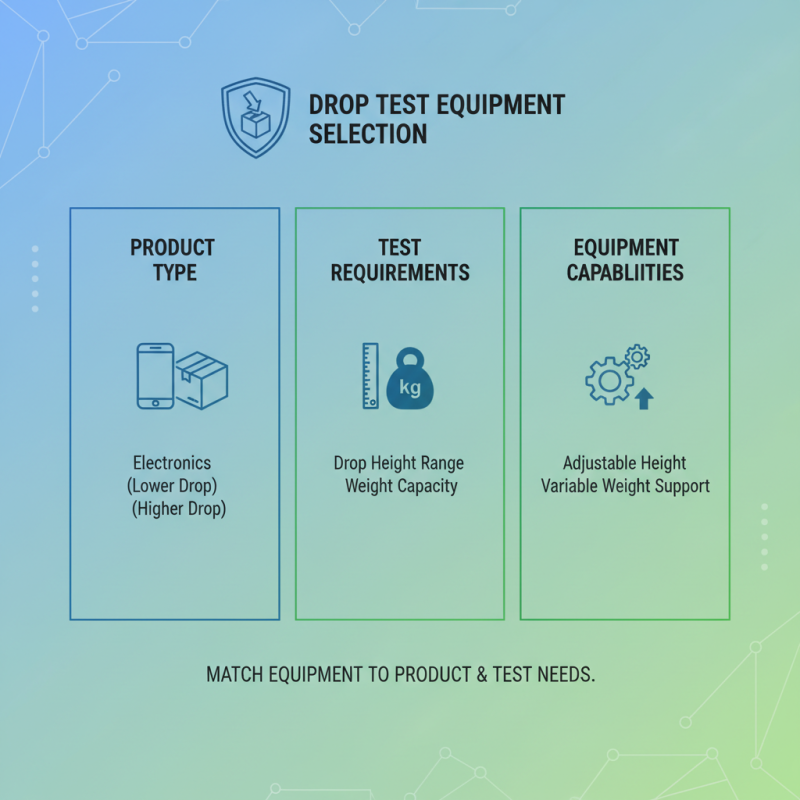
Choosing the right drop test equipment involves several key factors. First, consider the specific tests your products need. Different items require different drop heights and weights. Ensure the equipment you select can accommodate these variables. For instance, electronics may need lower heights, while packaging materials could require more rigorous tests.
Next, think about the ease of use. Complex setups can lead to delays and errors in your testing process. Look for equipment that offers clear instructions. User-friendly interfaces are essential. If your team struggles with the equipment, it could affect the reliability of your results. Think about training needs as well.
Finally, assess the data reporting features. Equipment that provides detailed insights can help in understanding the product's performance. Look for tools that track impacts accurately. However, remember that not all features are necessary for every application. Sometimes, less is more. Make your selection based on your actual needs. Regular reflection on your choice will help ensure the equipment meets your ongoing requirements.
Evaluating the Precision and Accuracy of Drop Test Machines
Choosing the right drop test equipment hinges on understanding precision and accuracy. Precision refers to the machine's ability to replicate results. Accuracy, however, is the closeness of measured values to the true value. According to a recent industry report by the International Conference on Testing Equipment, precision rates can vary significantly among machines, affecting testing outcomes.
For instance, drop test machines with a precision of 95% or higher are often recommended for rigorous testing. This level of precision reduces variability in results, crucial for quality control. Inaccurate drop tests can mislead manufacturers about product durability. A discrepancy can mean costly recalls and damage to brand reputation.
Tip: Always review calibration history and maintenance logs of drop test machines before use. Regular calibration ensures accuracy remains up to industry standards. Even the best machines may need recalibration due to environmental factors affecting performance.
Understanding the specifications of different drop test equipment is vital. The ASTM D5276 standard suggests a range of testing heights for various materials, up to 1.5 meters. This level of detail sharpens a tester's ability to assess product strength under defined conditions. It's essential to evaluate how your specific needs align with existing models, keeping in mind the cost of inaccuracy.
Assessing Budgetary Constraints and Cost-Effectiveness
Choosing the right drop test equipment involves understanding your budget. It's essential to evaluate what you can afford. High-quality equipment can be costly. Yet, cheaper options might not meet your testing needs.
Consider the long-term investment. Equipment with a higher upfront cost may save money in the long run. Look for features that improve accuracy and reliability. Investing in a durable option can reduce maintenance costs. Researching various models helps in making informed decisions, but this takes time. Balancing quality and budget is tricky.
Don’t overlook the importance of reliability. Equipment should withstand rigorous testing environments. If a cheaper model fails, costs can escalate. Consider potential losses from inaccurate results. In your efforts to save, you might compromise essential features. It's an area worth reflecting on before making a decision.
Cost-Effectiveness Analysis of Drop Test Equipment
This chart provides a comparison of different drop test equipment based on their costs and effectiveness ratings. When assessing budgetary constraints and determining the most cost-effective option, these metrics are essential for making informed decisions.
Maintaining and Calibrating Drop Test Equipment for Optimal Performance
Maintaining and calibrating drop test equipment is crucial to ensure optimal performance. Regular checks prevent equipment malfunctions. According to the International Electrotechnical Commission, nearly 30% of test failures are due to improperly calibrated equipment. This underscores the need for routine calibration checks, at least once every three months.
Calibration involves adjusting the equipment to meet specified standards. Using certified weights for testing can enhance accuracy. The National Institute of Standards and Technology suggests that businesses implement a maintenance schedule. This schedule should document all calibration tests and results, ensuring reliability over time.
Neglect can lead to inaccuracies, affecting test results. A recent survey revealed that 15% of companies experienced data discrepancies due to lack of equipment maintenance. Taking proactive measures can mitigate these risks. Regular inspections and proper documentation ensure that equipment remains reliable. This not only maintains quality but also helps in meeting industry standards effectively.