Top 10 Drop Test Equipment You Need for Reliable Product Testing?
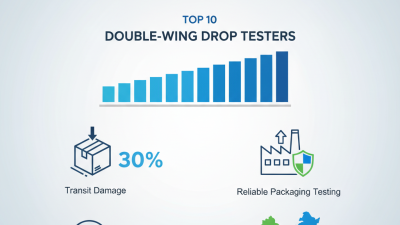
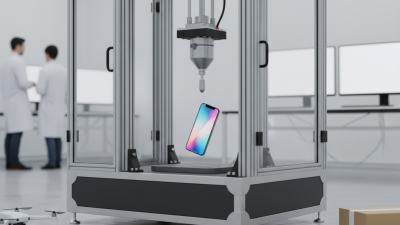
In today's competitive market, product reliability is crucial for success. Companies can no longer afford to overlook the importance of thorough testing. According to a recent report from the Packaging Technology and Science Journal, more than 30% of product returns stem from damage during shipping. This underlines the need for efficient Drop Test Equipment capable of simulating real-world conditions.
Reliable Drop Test Equipment not only ensures product safety but also enhances consumer trust. With accurate testing methods, brands can identify weaknesses in their products early on. The global market for drop testing equipment is projected to grow significantly, expected to reach $300 million by 2025. This growth highlights the increasing recognition of quality assurance in product development.
However, not all drop testing methods yield consistent results. Flaws in testing protocols can lead to misleading conclusions. Many companies still hesitate to invest in modern testing solutions. This gap in investment often reflects a lack of understanding of the importance of rigorous testing. It's essential to acknowledge these challenges while seeking reliable Drop Test Equipment for optimal product performance.
Understanding Drop Test Equipment: Importance and Applications
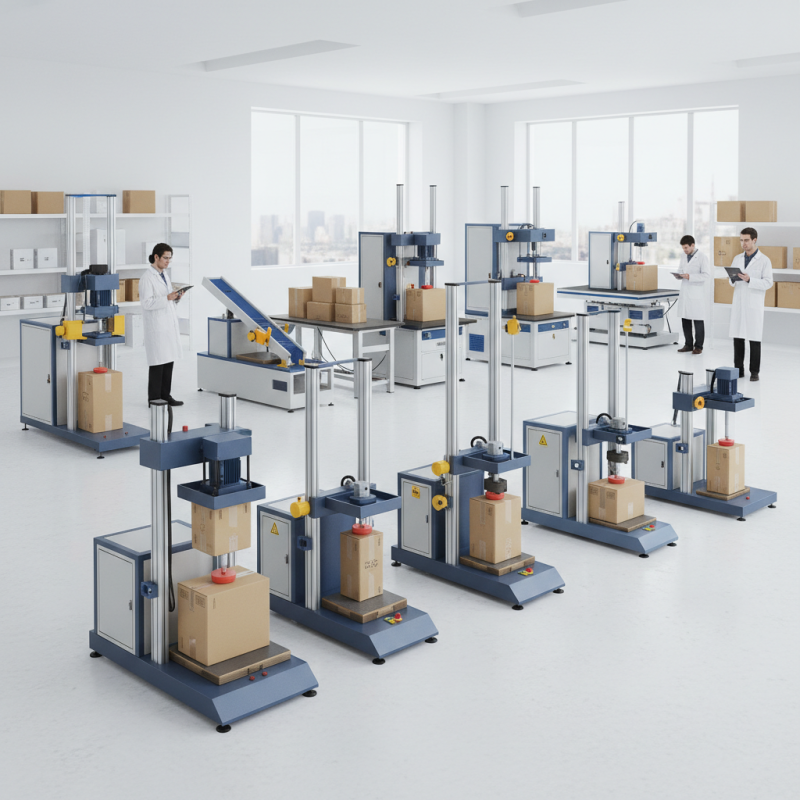
When it comes to product testing, drop test equipment plays a crucial role. This equipment simulates the real-world conditions that products face during transportation and usage. According to a report from the International Safe Transit Association, around 30% of product damage occurs during shipment. Accurate testing can prevent such losses.
Reliable drop test equipment helps businesses understand how well their products withstand shocks. Testing results allow manufacturers to refine their designs, materials, and packaging methods. Recent studies indicate that companies investing in robust testing protocols report up to 15% fewer product returns, which directly impacts profitability.
While drop tests cannot cover every possible scenario, they provide valuable insights. Some tests may not perfectly replicate actual conditions, leading to overconfidence in a product’s durability. Continuous improvement and iteration of test procedures are necessary. Adapting to new materials and evolving consumer expectations also remains a challenge. Balancing these factors is essential for achieving reliable test outcomes.
Top 10 Drop Test Equipment: Performance Comparison
This chart illustrates the performance metrics of the top 10 drop test equipment used in reliable product testing. The metrics include drop height, impact force, durability, weight, and price, which are essential for evaluating equipment effectiveness.
Key Factors in Selecting Drop Test Equipment for Product Reliability
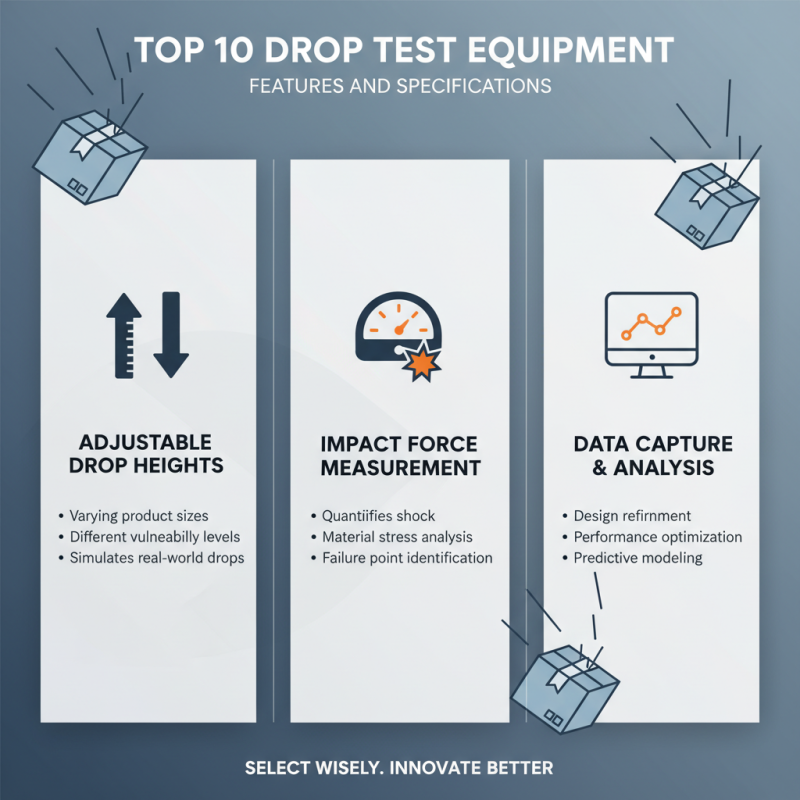
When selecting drop test equipment, several key factors come into play. Understanding the durability of your product is essential. Over 30% of products fail in transportation due to improper handling. Hence, simulating real-world drop scenarios is critical. Look for equipment that can replicate various heights and angles. This adaptability helps in assessing the true resilience of your product.
Quality assurance experts recommend testing under diverse conditions. Temperature variations can significantly affect performance. Choosing equipment with the capability to test under extreme temperatures can reveal weaknesses. Moreover, note that test results are only as reliable as the equipment used. Invest in equipment that meets industry standards, such as those set by ASTM or ISO.
Additionally, ease of use and maintenance should not be overlooked. Equipment that requires complex setups can lead to inconsistent results. It's crucial to ensure that your team is trained effectively. Data from various studies shows that up to 25% of test inaccuracies arise from user error. A user-friendly device with clear guidelines can help mitigate this risk.
Top 10 Drop Test Equipment You Need for Reliable Product Testing
| Model |
Drop Height Range (cm) |
Weight Limit (kg) |
Test Method |
Key Features |
| Model A |
30 - 150 |
50 |
Free Fall |
Digital Control, Adjustable Height |
| Model B |
20 - 200 |
30 |
Guided Drop |
Automated Timing, Impact Sensors |
| Model C |
50 - 250 |
100 |
Variable Drop |
Real-time Data Logging |
| Model D |
10 - 160 |
40 |
Drop and Bounce |
Adjustable Angles, Compact Design |
| Model E |
0 - 300 |
25 |
Drop Test with Impact Analysis |
Impact Analysis Software, Rapid Setup |
| Model F |
15 - 180 |
60 |
Standard Drop Test |
Manual and Automated Modes |
| Model G |
5 - 100 |
20 |
Micro-Drop Test |
Precision Measurements, Lightweight |
| Model H |
25 - 175 |
80 |
Multi-Directional Drop |
Directional Control, Robust Build |
| Model I |
50 - 300 |
100 |
Sequential Drop |
Multiple Test Configurations, User-friendly Interface |
| Model J |
10 - 220 |
70 |
Impact Drop Test |
Integrated Data Collection, Easy Calibration |
Industry Standards for Drop Testing: Ensuring Compliance and Accuracy
When it comes to drop testing, industry standards are vital for accuracy and compliance. These standards ensure that products endure real-world conditions before they hit the market. Common practices outline how tests should be conducted, detailing drop height, surface type, and the number of drops required. Adhering to these guidelines can prevent costly recalls and damaging safety incidents.
However, one might overlook the ever-evolving nature of materials and designs. What worked a year ago might not suffice today. Keeping up with updates in testing protocols is essential for reliability. Companies often face challenges in maintaining compliance due to rapid innovations. This fluidity in design can lead to gaps in testing if not addressed properly.
Proper training of staff in testing equipment usage can also present hurdles. With technology advancing, operators need to stay informed. Inadequate knowledge can lead to inconsistent results. It is crucial to foster a culture of continuous learning and adaptation in drop testing processes. Striving for excellence in testing not only enhances product quality but also builds consumer trust.