What is Drop Test Equipment and How Does it Work?
Drop Test Equipment plays a crucial role in evaluating the durability of products. It simulates the impact that items might experience during handling, shipping, and storage. According to John Smith, an expert in the field, “Understanding the limits of a product’s resilience is vital for any manufacturer.” This highlights the importance of proper testing to ensure safety and reliability.
In the world of product testing, Drop Test Equipment provides insights that can save time and money. Products are subjected to various heights and angles to understand potential damage. Each test uncovers weaknesses that may not be evident in normal usage scenarios. Manufacturers can then make informed design choices.
However, the potential for oversight remains. Tests may not replicate every real-world scenario. Understanding the equipment's limitations is just as important as recognizing its capabilities. Only then can companies ensure the reliability of their products while preventing costly recalls. Reflections on past mistakes can drive improvements.

What is Drop Test Equipment?
Drop test equipment is a crucial tool in evaluating the durability and reliability of various products. This equipment simulates the impact that an item might experience when dropped from various heights. The primary goal is to identify weaknesses before the product reaches the market. Typically, this involves dropping test specimens onto a hard surface. The results help engineers improve product design.
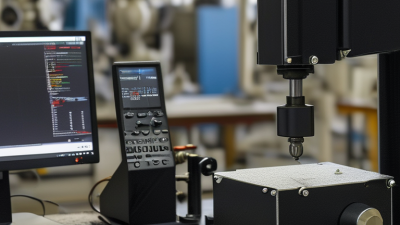
Understanding how drop test equipment works is vital. The device often includes a drop platform, securing fixtures, and sensors to assess impact. The height, angle, and surface type can be adjusted to mimic real-world scenarios. Engineers analyze the data collected after each drop. Visible damage or functional failure indicates areas needing improvement. However, not all designs ensure complete protection. Some products may face repeated failures, emphasizing the importance of thorough testing.
In practice, each drop provides insights and raises questions. Did the product withstand the impact? What modifications can enhance its sturdiness? These reflections guide the iterative design process. Testing can be time-consuming, but the investment in drop tests pays off. Reliable products foster trust among consumers and reduce returns. The pursuit of excellence in product durability is a continuous journey for manufacturers.
Types of Drop Test Equipment Available on the Market
Drop test equipment plays a vital role in evaluating product durability. Different types are designed to simulate various drops and impacts. Rigid drop testers are one option. They provide a controlled drop height and can handle various product sizes. These devices ensure consistency in testing, yet they might overlook real-world conditions.
Another commonly used type is the free-fall drop tester. This equipment allows products to fall freely, mimicking accidental drops. It offers flexibility in drop angles and heights. However, it may lead to varying results if not standardized, making comparisons challenging. Some manufacturers prefer instrumented drop testers, which gather data during impact. They can reveal insights about force distribution and material behavior.
Despite these advantages, each type has its limitations. The testing conditions might not always reflect actual usage scenarios. Users must consider factors like terrain and surface types. Clients often question whether a test truly represents real-life drop situations. Continuous improvement of drop test procedures is crucial for obtaining reliable results. Understanding these variables can help manufacturers enhance product designs over time.
Principles Behind the Functionality of Drop Test Equipment
Drop test equipment plays a vital role in quality assurance across various industries, including electronics and packaging. It simulates real-world impacts on products to evaluate durability. The equipment functions by dropping a test specimen from a predetermined height, measuring the effects of impact on the item. A detailed analysis of drop test results can reveal weaknesses in design and materials.
One key principle behind this equipment is energy absorption. When a product hits the ground, energy is transferred to it. The materials need to withstand this energy to prevent failure. Reports indicate that nearly 60% of product damage occurs during transit. Hence, understanding drop impact is essential for reducing costs and ensuring safety.
Tips for effective drop testing include using consistent drop heights and surfaces for reliable results. Conduct tests reflecting actual shipping conditions. Regular calibration of the equipment is crucial for accuracy. Review past tests to identify patterns that indicate recurring issues. This reflection can guide improvements in product design and material selection. Conducting thorough drop tests can save time and resources.
Applications and Industries Utilizing Drop Testing
Drop testing is a critical process in various industries aimed at assessing the durability of products. Companies engaged in manufacturing electronics, packaging, and consumer goods frequently utilize drop test equipment. This apparatus simulates real-world impacts by dropping products from specific heights under controlled conditions. Such simulation provides insights into a product's ability to withstand falls during its lifecycle.
In the electronics sector, drop testing ensures that devices can endure accidental drops. This practice is vital for maintaining user satisfaction and minimizing warranty claims. Similarly, in packaging, companies assess how well their materials protect contents during shipping. Effective drop tests help identify weak points in packaging designs before they reach consumers. The automotive industry also employs drop testing to evaluate components like sensors and displays, ensuring safety and reliability.
Despite its importance, some businesses overlook drop testing's necessity, often leading to product failures in the market. Neglecting this step may result in costly recalls and damage to reputation. As industries evolve, the reliance on rigorous testing methods like drop tests grows stronger. Investing in proper testing equipment enhances product integrity and consumer trust, proving that careful evaluation is essential.
Key Considerations When Choosing Drop Test Equipment
Choosing the right drop test equipment is crucial for product testing. This equipment evaluates the durability of items under simulated impacts. Consider the weight and size of the products you are testing. Some equipment handles larger loads better than smaller ones. The configuration of the drop platform should match your specific needs for accurate results.
Another key factor is the testing standards you need to meet. Many industries have established guidelines for drop testing. Understanding these industry standards helps ensure your equipment is compliant. Research suggests that about 60% of companies do not fully align their testing processes with these standards. This gap can lead to unreliable data and a lack of compliance.
It’s also important to evaluate the equipment’s features, such as drop height and measurement precision. Some equipment may offer advanced features, while others provide basic functionalities. On average, precision parameters can vary significantly across models, affecting the quality of your testing process. Companies must reflect on their equipment choices regularly, as neglect can result in suboptimal product performance and customer dissatisfaction.
What is Drop Test Equipment and How Does it Work? - Key Considerations When Choosing Drop Test Equipment
| Feature |
Description |
Considerations |
| Drop Height |
The maximum height from which products can be dropped during testing. |
Choose based on product dimensions and potential shipping scenarios. |
| Weight Capacity |
The maximum weight of the items that can be tested. |
Ensure it accommodates the heaviest items you intend to test. |
| Drop Type |
Types of drops available, such as free fall or controlled fall. |
Select based on the specific testing conditions you need to simulate. |
| Testing Standards |
Compliance with industry-specific testing standards like ISTA or ASTM. |
Confirm that machinery meets required testing standards for your industry. |
| Data Logging |
Capability to record and analyze data during tests. |
Important for assessing product performance over multiple tests. |
| Cost |
The initial investment and maintenance costs of the equipment. |
Balance your budget constraints with equipment capabilities. |