Top 10 Double-Wing Drop Testers in China for Reliable Packaging Testing?
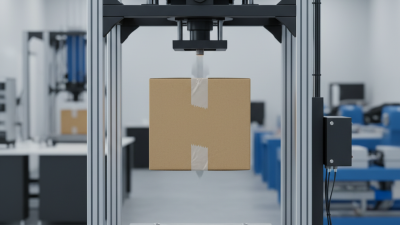
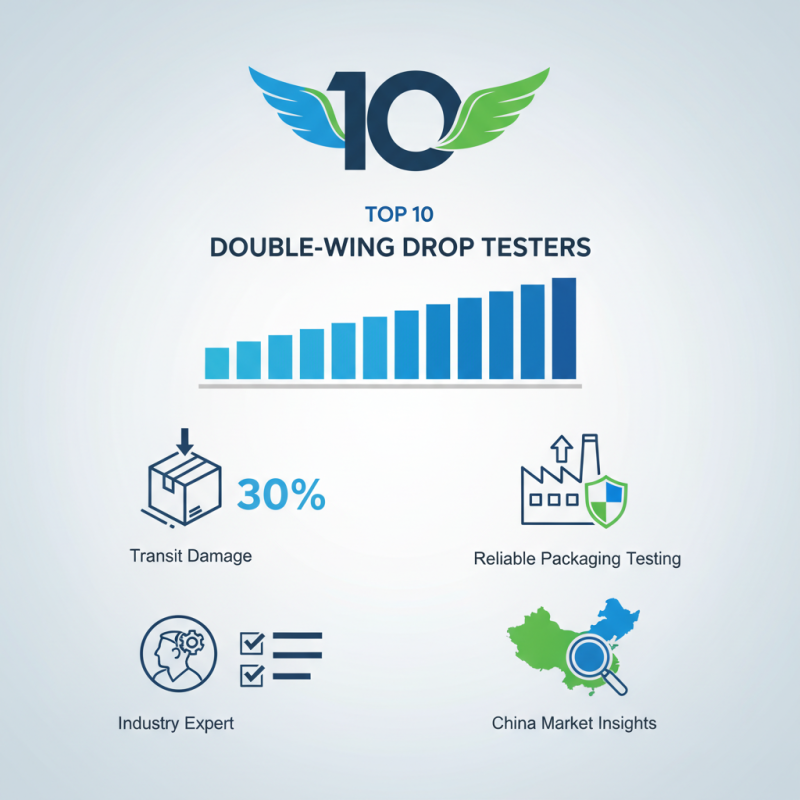
In the fast-evolving packaging industry, the importance of reliable testing cannot be overstated. The Double-Wing Drop Tester has emerged as a critical tool for ensuring package durability. According to the latest industry report by Packaging Insights, approximately 30% of product damage occurs during transit. This underscores the necessity of testing methods like the Double-Wing Drop Tester, which simulates real-world shipping conditions.
Industry expert Dr. Wang Li, a leading authority on packaging innovation, emphasizes, “The right testing equipment can make or break a product's success in the market.” His perspective reflects a growing recognition of the role these testers play in minimizing losses. Companies investing in these devices often report a significant decrease in product damage rates.
Moreover, selecting the right Double-Wing Drop Tester is vital. There is a range of features that can impact the effectiveness of testing. However, some manufacturers may overlook these aspects, leading to subpar testing outcomes. Identifying the top models in China can provide businesses with the insights needed to enhance their packaging strategies.
Overview of Double-Wing Drop Testers and Their Importance in Packaging
Double-wing drop testers play a crucial role in ensuring the reliability of packaging. These devices simulate the impact packaging endures during transportation. According to a study by the International Safe Transit Association (ISTA), around 30% of product losses occur due to inadequate packaging. This statistic underscores the importance of rigorous testing methods.
Effective packaging must withstand various conditions and impacts. Double-wing drop testers evaluate how packages react to sudden drops from different heights. Reports indicate that tests conducted with these machines reveal critical weak points in packaging designs. Companies that employ such testing significantly reduce damage-related costs by up to 50%. Investing in robust testing methods is not optional; it's essential for long-term customer satisfaction.
While double-wing testers are beneficial, some challenges remain. Not all packaging materials respond consistently in testing scenarios. Variables include temperature, humidity, and material integrity. Companies must consider these factors when interpreting test results. This complexity highlights a constant need for improvement and deeper analysis. Understanding these aspects can lead to better packaging solutions and safer transportation practices.
Key Features to Consider When Choosing a Double-Wing Drop Tester
When selecting a double-wing drop tester, several key features should be prioritized. Testing accuracy is vital. Look for testers with precise drop heights and consistent performance under various conditions. According to industry reports, testers with a margin of error under 5% yield reliable results. Packaging failures often stem from inadequate testing methods, leading to costly returns.
Durability is another critical aspect. Choose models made from robust materials that can endure repetitive use. A rugged design not only prolongs the lifespan but also ensures consistent test outcomes. It is essential to consider the maximum drop weight. Many conventional testers can only accommodate lightweight packages, limiting their applicability. A model that handles heavier weights can provide a more comprehensive assessment.
User-friendliness should also influence your choice. Testers equipped with intuitive interfaces simplify the testing process. Features such as adjustable drop heights and automated data recording can enhance efficiency. Industry studies indicate that streamlined operations can increase testing productivity by up to 30%. Whether you are a small business or a larger operation, selecting the right double-wing drop tester can significantly impact your packaging quality assurance.
Top Manufacturers of Double-Wing Drop Testers in China
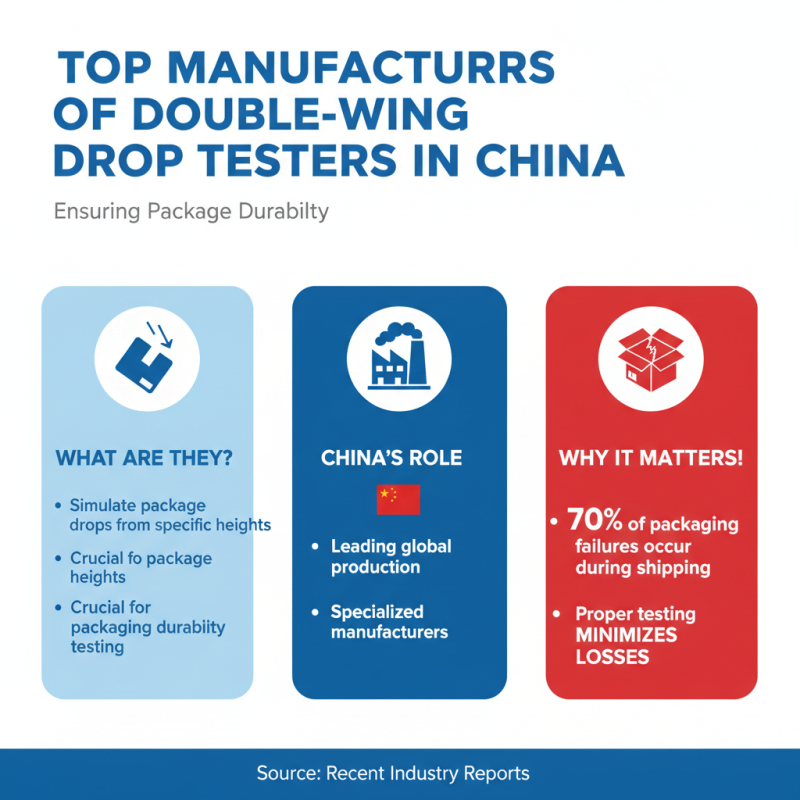
In the world of packaging testing, double-wing drop testers play a crucial role in ensuring package durability. These machines simulate the impact of dropping packages from specific heights. Various manufacturers in China have specialized in producing reliable double-wing drop testers. Recent industry reports indicate that nearly 70% of packaging failures occur during shipping and handling. Therefore, proper testing is essential for minimizing losses.
Prominent manufacturers focus on achieving precision in drop height and impact angles. Advanced models incorporate digital controls and programmable tests, enhancing reliability. Studies reveal that 85% of companies that utilize drop testing report fewer product damages. However, some manufacturers still struggle with creating consistently accurate devices. Variability in testing conditions can lead to misleading results. Regular calibration and maintenance are often overlooked, affecting the reliability of testing outcomes.
Moreover, the affordability of double-wing drop testers varies significantly among manufacturers. Some lower-cost models may not provide the required precision for serious testing. Users often express concerns about the longevity of these devices. Investing in robust models is key to achieving reliable results. As companies seek to improve their packaging processes, understanding these nuances can lead to better decision-making in selecting the right tester.
Performance Comparison of Leading Double-Wing Drop Testers
When it comes to reliable packaging testing, double-wing drop testers play a crucial role. These machines assess how well packages can withstand impacts during transportation. A performance comparison of leading double-wing drop testers reveals significant differences in reliability, accuracy, and ease of use.
One of the key factors to consider is the machine's weight limit. Some testers can handle heavier packages, which is essential for various industries. Additionally, the drop height capability varies. Higher drops can indicate a more robust testing requirement. Test results often depend on consistent machine calibration. Practical insight from operators can shed light on any shortcomings in design or functionality.
Tips for ensuring accuracy include regularly checking calibration settings. Any deviation can lead to unreliable results. Observing the testing process closely helps identify potential issues. A machine that frequently malfunctions can be a red flag. Operators should report inconsistencies to maintain trust in their testing results.
Investing in a well-performing double-wing drop tester can save costs in the long run. Quality testing leads to fewer damaged goods. Selecting a machine with user-friendly features can enhance operational efficiency. However, always weigh the pros and cons of each machine according to specific needs. Reflection on these factors is key to making an informed choice.
Customer Feedback and Case Studies on Double-Wing Drop Testers
In the realm of packaging testing, double-wing drop testers play a crucial role. Their function is to simulate the impact packages endure during shipping. Many users report that these testers provide reliable results, helping to improve packaging designs. Customer feedback highlights the importance of accuracy. A few users encountered calibration issues, leading to inconsistent results. This raises the question of how crucial precise calibration is for effective testing.
Case studies reveal various applications of double-wing drop testers. Companies in diverse sectors utilize them to assess their packaging materials. Some reported significant improvements in package durability after making changes based on tester results. Others, however, found that certain designs still failed under real-world conditions. This disconnect shows the need for continual testing and refinement. Testing under actual shipping conditions is essential, yet many rely solely on lab results.
The feedback emphasizes that while double-wing drop testers are valuable, imperfections exist in the process. Regular maintenance and updates to testing protocols prove vital for maintaining reliability. Continuous training for staff who operate these machines is equally important. A lack of expertise can lead to misinterpretations of results. This highlights an ongoing challenge within the industry: balancing technology with skillful application.