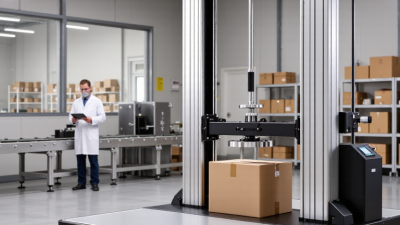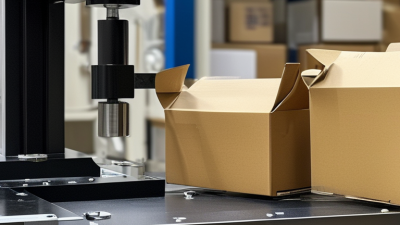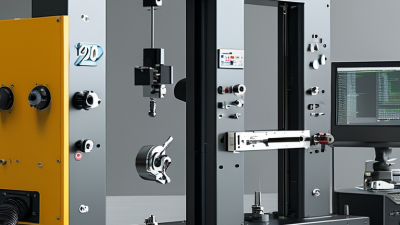
Choosing among the top 10 types of Drop Testing Machine starts with the product, not the machine catalogue. A boxed appliance, a glass bottle, and a handheld device face different impact risks. Buyers should match the equipment to the package’s mass, dimensions, drop height, and likely impact surfaces. The floor matters, too: concrete and steel create different test conditions. Small details matter.
This guide compares free-fall, guided-drop, package, carton, bottle, mobile-device, edge-and-corner, inclined-impact, rotating-arm, and instrumented drop testers. Each type answers a different question. Will a carton’s seam split on impact? Does a phone survive a face, edge, or corner drop? Can a repeatable setup capture acceleration as well as visible damage? An instrumented model may help quantify impact, while a simpler rig may suit routine checks. Neither is automatically the better buy.
A practical reminder, offered here as an illustrative—not sourced—expert statement from testing engineer Maya Chen, is: “A repeatable drop tells you more than a dramatic one.” That distinction matters when comparing results across operators or production batches. Look for clear height controls, secure fixtures, suitable impact surfaces, and records that make each test traceable. Then check whether the machine matches your actual test method. In practice, buyers sometimes overvalue extra features and overlook setup time. That is worth questioning. The right Drop Testing Machine is the one that produces relevant, consistent evidence for the product you need to protect.
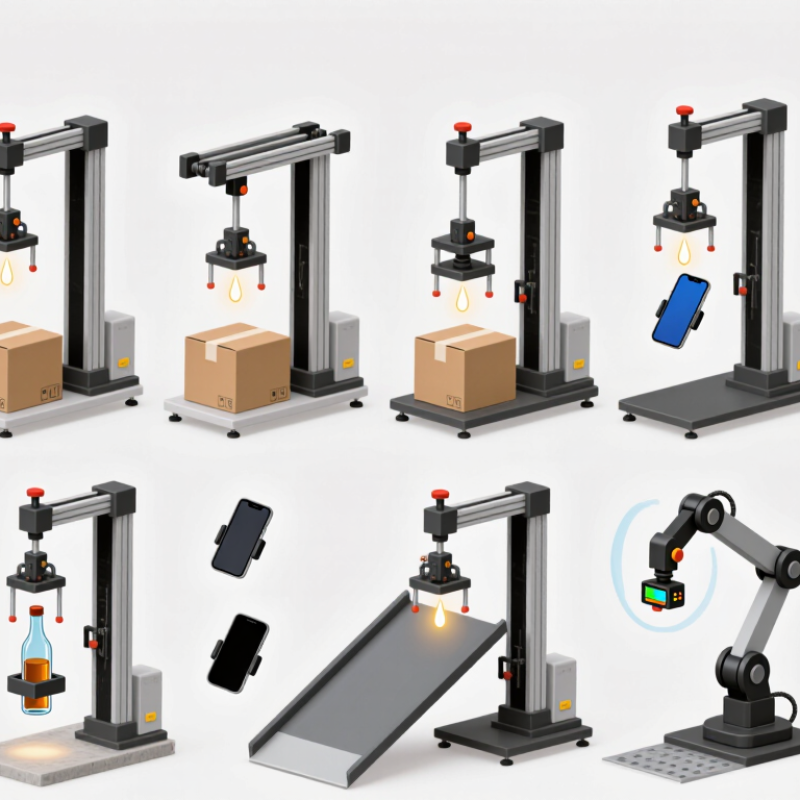
Drop testing shows how a product responds when impact forces pass through its package. A calibrated machine releases the packed item onto a rigid surface, often across faces, edges, and corners. Sensors can record acceleration, while high-speed video reveals movement that ordinary inspection may miss. Small details matter. A loose insert or shifted component can change the result.
ISTA 3A’s published drop-height schedule varies with package weight: packages weighing up to 10 pounds are tested from 30 inches; those over 10 to 20 pounds, from 24 inches; and those over 20 to 30 pounds, from 18 inches. These figures are test conditions, not universal predictions of shipping damage. ASTM D5276 also provides a standard method for free-fall testing of loaded containers. Using consistent release heights and orientations helps buyers compare results across samples.
After each drop, technicians check for cracks, leaks, deformation, and loss of function. They should inspect the product and its packaging, then record the impact location and test sequence. A pass can still mislead. Real shipments involve vibration, compression, and varied handling, while a laboratory drop isolates impact. Buyers should match the test setup to product weight, packaging design, and likely distribution conditions. Some results remain hard to interpret; documenting that uncertainty is better than hiding it.
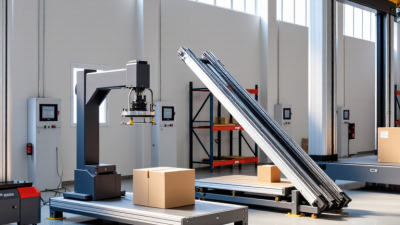
A drop test system turns a rough handling event into a measured impact. The operator sets the drop height, secures the sample, and releases it using a consistent mechanism. Guided systems help keep the package aligned, while free-fall designs allow it to land with fewer constraints. Different fixtures can position a corner, edge, or flat face toward the impact surface. Small details matter.
Repeatability depends on more than the machine. A loose clamp, uneven floor, or shifted product can change the result. Good practice includes checking the release point, using the same sample orientation, and recording impact conditions for each test. Some systems use sensors or high-speed cameras to show when and where damage occurs. The data can help teams compare packaging designs, but it cannot perfectly recreate every journey through a warehouse or delivery route.
A well-chosen tester should match the sample’s size, weight, and expected drop direction. For example, a compact component fixture may suit a small electronic part, while a larger platform supports a packed carton. Still, one test setup may miss awkward real-world impacts. That limitation deserves attention. A few repeated drops can reveal variation, yet excessive testing may damage the sample before the intended assessment is complete.
Buyers comparing drop testing machines should match the design to the package, not just its maximum load.
Ten common types include single-wing, double-wing, single-column, double-column, zero-drop, carton, small-parcel, pallet, guided free-fall, and portable field testers. These categories can overlap. A carton tester, for example, may use a single-wing release mechanism.
Single-wing models are straightforward for face, edge, and corner drops. Double-wing designs can offer a wider support surface for larger samples. Column-guided machines help control the falling path, while zero-drop models raise the specimen before releasing it close to the impact surface.
Small-parcel units suit compact boxes; pallet testers handle heavier, bulkier loads. Portable rigs allow checks outside a laboratory, but may provide fewer controls.
Look closely at release consistency, drop-height adjustment, impact-surface size, and sample restraint. A 30-centimeter carton and a loaded pallet need very different fixtures. Check whether the machine supports the orientations your test plan requires. Ask how repeatability is verified, and review the operating instructions before comparing quoted capacities.
A high load rating alone can mislead. Some categories sound distinct but describe different features of the same machine. That matters.
Drop testing machines are chosen by test method, not by a broad product label. A free-fall tester suits repeatable face, edge, and corner impacts on cartons. A guided drop system helps keep heavier loads aligned. Package testers need enough platform area and capacity for the real shipping unit, including inserts and contents.
Other setups target different risks. Component testers assess fragile parts, while small-product fixtures hold items such as handheld devices in a defined orientation. Adjustable-height machines support varied impact conditions. Rotating or multi-directional fixtures can help position samples, but they may add setup time. The right choice depends on sample size, drop height, impact surface, and required repeatability. A machine can match the test method and still miss a product’s real failure pattern. That deserves a second look.
Tips: Before buying, measure the largest and heaviest sample, then check the machine’s usable drop area and load rating. Ask how height is set and verified. Run a trial with a representative product; loose cables or a shifting fixture can affect results. Keep room for operator access. Small details matter. Test requirements can change, and a little extra capacity may help, though it is not always worth the cost.
| Machine Type | How the Test Works | Typical Applications | Key Requirements to Specify | Buyer Considerations |
|---|---|---|---|---|
| 1. Free-Fall Package Drop Tester | A loaded package is raised to a set height, positioned in the required orientation, and released onto a rigid impact surface. | Cartons, cases, and other filled transport packages undergoing face, edge, or corner drops. | Maximum package mass and dimensions, drop height, release repeatability, impact surface, and orientation method. | A common choice for package distribution testing. Check that the platform and floor area accommodate the largest test package. |
| 2. Guided-Carriage Drop Tester | A carriage or platform travels vertically on guides before releasing or striking the specimen, helping control its path. | Products or packages that need repeatable vertical motion and consistent positioning. | Guide clearance, carriage capacity, drop-height range, release method, and whether the specimen is released freely or remains attached to the carriage. | Guidance can improve alignment, but confirm the test method permits the machine’s release arrangement and that the guides do not influence the impact. |
| 3. Single-Arm Package Drop Tester | A supporting arm holds the specimen at the selected height and swings or withdraws to let it fall. | Packaged products requiring controlled face, edge, or corner positioning before impact. | Arm reach, load rating, specimen clearance, release consistency, and available orientation fixtures. | Compare the arm’s usable workspace with the package’s dimensions and center of gravity to avoid interference during release. |
| 4. Double-Arm Package Drop Tester | Two supports carry the specimen and move apart or withdraw together to produce a drop. | Larger or heavier packages that benefit from support across a wider area before release. | Distance between arms, synchronized release, maximum load, package footprint, and drop-height range. | Useful when a single support would be unstable, but verify the arms clear the specimen without adding unwanted rotation. |
| 5. Rotating-Arm Drop Tester | A rotating support positions the specimen and releases it from a defined height or orientation. | Repeated package drops where a consistent starting position and automated cycling are priorities. | Rotation range, cycle controls, release timing, load capacity, safety enclosure, and orientation repeatability. | Assess whether the machine can reproduce the required drop sequence; automated cycling does not replace checking each test orientation. |
| 6. Pneumatic Drop Tester | Pneumatic actuators raise, hold, or release a specimen or support, with controls used to set and repeat test cycles. | Production or laboratory programs that need frequent, controlled testing of compatible specimens. | Air supply requirements, load and size limits, release behavior, control settings, guarding, and maintenance needs. | Confirm that the pneumatic release produces the required free-fall condition and that compressed-air capacity is adequate for the intended duty cycle. |
| 7. High-Drop-Height Tester | A specimen is released from an elevated position to investigate damage under a greater fall distance than standard bench-height systems allow. | Products or packages for applications where higher drop heights are part of the defined test plan. | Maximum height, lifting method, structural stability, specimen restraint and release, impact area, and personnel protection. | Higher installations need particular attention to guarding, safe loading, overhead clearance, and the applicable test procedure. |
| 8. Pallet and Large-Package Drop System | A large platform or lifting system raises and releases palletized loads or oversized packages onto an impact surface. | Pallet loads, crates, bulk containers, and large transport packaging. | Maximum load and footprint, pallet access, lift height, release mechanism, floor strength, and facility clearance. | Measure the complete load, including pallet and overhang. The test area and floor must safely support the machine and impact forces. |
| 9. Small-Product Drop Tester | A compact fixture releases an individual product or small specimen from a controlled height onto a specified surface. | Small components, consumer products, and individual items tested separately from their shipping packaging. | Specimen-size range, orientation fixture, height adjustment, impact surface, and optional measurement or data capture. | Choose a release method that does not add a push or spin, and confirm that the impact surface matches the test requirement. |
| 10. Multi-Orientation Product Drop Tester | Fixtures or programmed positioning allow a product to be released in multiple prescribed orientations over a test sequence. | Handheld electronics and other products whose corners, edges, faces, or features require separate impact evaluation. | Orientation accuracy, repeatability, specimen retention and release, cycle controls, impact surface, and enclosure. | Useful for repeatable orientation sequences. Ensure the fixture releases the product cleanly and does not constrain its fall. |
| Standards note: ASTM D5276 and ISO 2248 describe vertical impact testing by dropping complete, filled transport packages. The applicable procedure, package conditioning, drop orientations, height, and acceptance criteria depend on the product and test plan; confirm the current standard and its requirements before selecting equipment. | ||||
How Buyers Select the Right Drop Testing Machine for Their Needs
Choose a drop tester around the package, not the catalogue. Record the product’s weight, dimensions, packaging materials, and likely impact faces. A compact single-arm tester may suit regular cartons; larger or heavier loads may need a guided platform or high-capacity system. For repeatable face, edge, and corner impacts, check whether the machine supports controlled orientation and adjustable drop height. ASTM D5276 provides a recognized method for free-fall testing of loaded containers.
Test conditions matter. The 2023 Pitney Bowes Parcel Shipping Index reported 161 billion parcels worldwide in 2022 and projected 256 billion by 2027. More parcel handling makes realistic packaging evaluation important, but a laboratory drop cannot reproduce every journey. Match the machine’s capacity and controls to your test plan, then document impact sequence, height, and observed damage. Ask suppliers for calibration records and a demonstration using your actual package. A caveat: higher automation is not always better if your test volume is low.
Tips: Confirm floor space, safety guarding, and operator access before purchase. Check that the control system stores test settings. Keep one sample package for repeat trials. Small details can change results.