2026 Top Drop Test Equipment Buyers Guide and Insights?
In the complex world of product testing, the significance of Drop Test Equipment cannot be overstated. As industries strive for durability and reliability, understanding the nuances of drop testing becomes essential. The right drop test setup provides critical insights into how products withstand impacts, ultimately shaping consumer trust.
Investing in drop test equipment requires careful consideration. Many options on the market boast advanced features, yet not all are suitable for every application. Selecting the right equipment is crucial for ensuring accuracy in testing. Manufacturers must reflect on their specific needs and standards.
This guide aims to demystify the landscape of drop test equipment for 2026. By focusing on reputable brands and expert insights, we will highlight key factors to consider in your purchasing decisions. It’s a journey of understanding that combines technological advancements with practical applications.
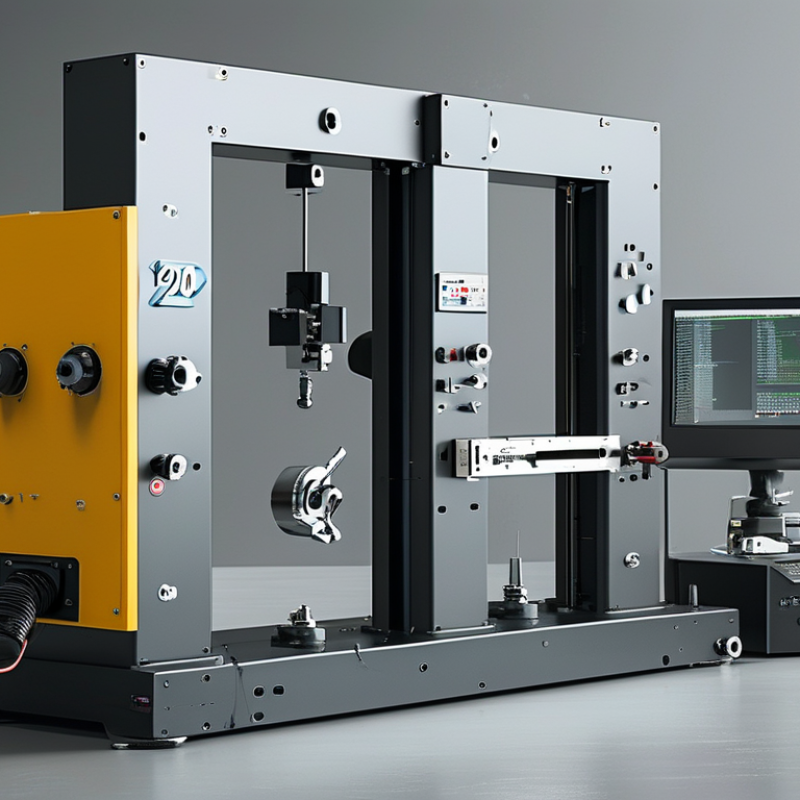
2026 Drop Test Equipment Overview: Importance and Applications
Drop test equipment plays a crucial role in product development and quality assurance. These tests simulate real-world impacts to ensure products can withstand daily use. Without proper testing, manufacturers risk releasing items that might fail under pressure, leading to financial losses and damaged reputations.
The applications of drop test equipment are diverse. Industries such as electronics, packaging, and automotive heavily rely on this technology. For instance, electronic devices are tested to prevent damage from accidental drops. Packaging materials are evaluated for their ability to protect contents. However, it is essential to recognize that not all tests can replicate every scenario. This limitation calls for continuous improvement and adaptation in testing methods.
In recent years, advancements in testing technology have emerged. Automated drop test machines offer precision and repeatability, but there are challenges. Some products may behave unpredictably during tests, necessitating further exploration of testing parameters. Balancing between cost and test accuracy remains an ongoing discussion among engineers and safety experts. This evolving landscape highlights the need for constant reflection and innovation in drop test methodologies.
Key Features to Consider When Choosing Drop Test Equipment
When selecting drop test equipment, key features must be prioritized. One important aspect is the equipment’s
drop height capability. Higher drop heights simulate more challenging conditions. This feature is crucial for industries
where products face harsh abuses, such as electronics and packaging.
Additionally, the load capacity of the drop test machinery should be considered. It’s vital to match the equipment’s capacity
with the products being tested. Ensuring compatibility will yield accurate results. Many users overlook this detail, which can lead to misinterpretation of data.
Another feature to evaluate is the control mechanisms. Advanced systems allow for precise drop angles and impact velocities.
These features enhance the reliability of the test outcomes. However, many operators find the controls complex.
Training and experience are essential to maximize the equipment's potential. Understanding these aspects helps prioritize the right investment for long-term benefits.
Top Brands and Manufacturers of Drop Test Equipment in 2026
When exploring the top brands and manufacturers of drop test equipment in 2026, it's essential to focus on their unique offerings. Many companies prioritize precision engineering. Their equipment is built to simulate real-world impacts, ensuring reliability. Some brands stand out for their innovative designs. These designs enhance the accuracy of the tests conducted.
Material quality is another crucial aspect. Leading manufacturers use high-grade materials. This ensures longevity and accurate results over time. Companies often emphasize user-friendly interfaces, making it easier for technicians to operate the systems. However, not all brands provide comprehensive after-sales support, which can be a drawback for buyers.
While it's tempting to choose equipment solely based on price, this approach can lead to oversight. Less expensive models may compromise on accuracy or durability. Buyers must reflect on long-term value. It's worth investing in equipment that meets industry standards. Conducting thorough research can help identify products that truly excel in performance.
2026 Top Drop Test Equipment Buyers Guide and Insights
| Category |
Max Drop Height (meters) |
Weight Capacity (kg) |
Testing Standards |
Typical Price Range (USD) |
| Electromechanical Drop Testers |
1.5 |
250 |
ASTM D5276 |
$5,000 - $15,000 |
| Pneumatic Drop Testers |
2.0 |
300 |
ISO 8313 |
$8,000 - $20,000 |
| Manual Drop Testers |
1.0 |
100 |
MIL-STD-810 |
$1,500 - $5,000 |
| Automated Drop Testers |
3.0 |
500 |
ASTM D5276 |
$12,000 - $30,000 |
Comparative Analysis of Popular Drop Test Equipment Models
When selecting drop test equipment, it's crucial to evaluate various models based on real-world performance. Several popular options stand out, each with unique features. Some units offer a broad range of drop heights, suitable for different packaging needs. Others emphasize precision, ensuring consistent test conditions. This is vital for accurate results to assess product durability.
Comparative analysis can reveal some surprising insights. One model may excel in portability, while another provides advanced data logging capabilities. Such differences can affect both usability and data accuracy. Evaluating the ease of use is crucial because cumbersome devices may lead to user errors. Maintaining reliability is essential, and some units may not meet the rigorous standards expected by engineers.
Price may influence decisions, but it shouldn't be the only factor. Balancing cost against features is key. Testing efficiency, support services, and warranty are often overlooked but matter significantly. In-depth exploration of current models reveals areas for user reflection. While many units display high durability, their long-term reliability requires additional scrutiny. The importance of choosing wisely cannot be overstated in this evolving field.
Future Trends in Drop Testing Technology and Equipment
The future of drop testing technology is evolving rapidly. With the rise of e-commerce and global shipping, the demand for reliable drop test equipment is increasing. These tests ensure products can withstand the rigors of transport. Sellers need to understand how to implement these tests effectively. It’s crucial to use precise methods and detailed protocols to achieve accurate results.
Emerging technologies such as automation and artificial intelligence are set to transform drop testing. Automated systems can conduct tests more efficiently, reducing human error. However, integrating these technologies poses challenges. Not every organization has the resources or expertise to adopt them smoothly. It invites a degree of uncertainty. There is also a debate about whether automated systems can match the insights derived from human analysis.
Another trend is the development of lightweight materials in drop test equipment. These materials can enhance portability and ease of use. However, their durability in extreme tests is still under scrutiny. Can they withstand the same impact as traditional materials? The discussion remains open. Innovators must address these concerns to build credibility in the field. This blend of technology and craftsmanship is where the future lies.