Top 10 Benefits of Using Climate Chamber in Testing?
In modern testing environments, the use of a Climate Chamber has become essential. These chambers allow researchers to simulate various environmental conditions. Temperature, humidity, and pressure can be precisely controlled. This capability is invaluable for industries like aerospace, pharmaceuticals, and electronics.
Employing a Climate Chamber can enhance product reliability. It helps identify potential failures that might not appear under normal conditions. Testing in extreme environments reveals weaknesses. However, there are challenges involved, such as calibration and energy consumption. These factors may require careful consideration.
The importance of Climate Chambers lies in their ability to provide accurate results. Data obtained from these tests can guide product development. By understanding how products respond to climate variations, companies can innovate effectively. Investing in Climate Chambers may seem costly initially, but the long-term benefits are significant. The insights gained can lead to better product performance and customer satisfaction.
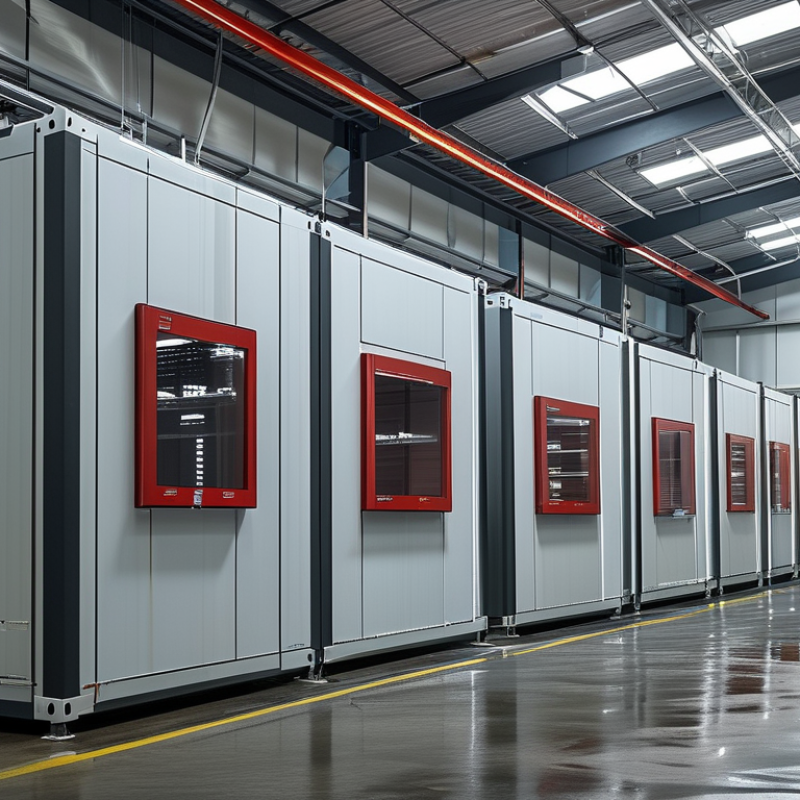
The Importance of Climate Chambers in Environmental Testing
Climate chambers play a crucial role in environmental testing. They provide controlled environments to simulate different temperature and humidity conditions. These chambers allow researchers to observe how products and materials respond to extreme climates. Understanding these responses is vital for industries like electronics, pharmaceuticals, and automotive sectors.
Data from the Environmental Testing Industry Report suggests that approximately 75% of companies invest heavily in such testing for reliability. This investment helps in identifying potential product failures before they reach the market. Studies indicate that excessive exposure to environmental stressors can lead to a 30% increase in product defects. Thus, using climate chambers is essential for ensuring product longevity and safety.
Tip: Ensure regular calibration of climate chambers. Accurate readings are vital for reliable test results.
Developing new products without climate testing can be risky. Many companies face costly recalls due to insufficient environmental assessments. When manufacturers prioritize thorough testing, it reduces the likelihood of such failures.
Tip: Document all testing procedures and results. This creates accountability and aids in future reference.
Investing in climate chambers not only enhances product quality but also fosters consumer trust. Companies that prioritize environmental testing have higher satisfaction rates and lower return rates.
Enhancing Product Reliability through Controlled Climate Conditions
In the realm of product testing, climate chambers play a vital role. They create controlled environments that replicate extreme conditions. This is essential for assessing product reliability. Engineers can simulate temperature fluctuations, humidity levels, and other environmental stresses. By doing so, they identify weaknesses and potential failures.
Testing under these precise conditions uncovers how products endure over time. Unexpected issues may emerge, such as material degradation or loss of function. Designers can then refine their prototypes. It’s a crucial step that requires careful observation and adjustment.
However, not all tests reveal the full picture. Sometimes, results can lead to overconfidence. This highlights the importance of continuous testing across different conditions. Embracing a mindset of ongoing improvement is key. Controlled environments provide insights, but they are only part of the larger process of ensuring product reliability.
Top 10 Benefits of Using Climate Chamber in Testing
Accelerating Product Development with Diverse Testing Scenarios
In the realm of product development, utilizing a climate chamber offers unmatched advantages. These chambers simulate various environmental conditions to test how products perform under diverse scenarios. According to a report by the International Society of Automation, about 45% of companies see reduced development time through controlled testing. This efficiency can lead to faster market entry, which is crucial in today's competitive landscape.
Environmentally stress-testing a product can reveal flaws early. For instance, temperature and humidity variations can expose weaknesses in materials or design. This proactive approach can save companies significant financial losses in costly recalls. One study showed that 32% of product failures stem from unexpected environmental impacts during usage. These insights highlight the importance of rigorous testing.
Tip: Implement a regular testing schedule. Continuous assessments in a climate chamber can help track product resilience over time.
Consider exploring different scenarios beyond standard testing. Look into extreme conditions, such as freezing temperatures or high humidity. These tests can broaden the understanding of a product's limitations.
Tip: Document every test result. Accurate records assist in refining designs and improving future products. It also provides a reference for troubleshooting potential issues.
Improving Compliance with Industry Standards and Regulations
Using a climate chamber for testing can significantly improve compliance with industry standards and regulations. These chambers simulate various environmental conditions like temperature, humidity, and pressure. This allows companies to assess how their products react to extreme conditions. Regulatory bodies often require standardized testing to ensure safety and reliability. This makes climate chambers an invaluable tool.
Complying with these standards is not always straightforward. Many companies face challenges in interpreting guidelines. The variability between different tests can lead to confusion. A climate chamber standardizes the testing environment, reducing the risk of inconsistent results. By replicating the exact conditions outlined in regulations, businesses enhance their credibility and acceptance in the market.
This approach doesn't come without its flaws. Relying solely on chamber testing can lead to overconfidence in product durability. Real-world factors may not be fully represented. Companies must balance lab results with field testing for comprehensive validation. Continuous assessment and adaptation are essential to meet evolving standards effectively. Embracing a holistic testing strategy ensures long-term compliance and product success.
Cost-Effective Solutions for Long-Term Product Performance Testing
Testing products in a controlled climate chamber can lead to significant cost savings for businesses. By conducting thorough long-term performance tests, companies can identify potential weaknesses in their products before they reach the market. This proactive approach reduces warranty claims and customer complaints, ultimately minimizing costs associated with product failures.
Tips: Always consider the specific environmental conditions your product will face. Tailoring the tests to mimic real-world scenarios will yield better results. It’s important to evaluate the data gathered during testing critically. Look for patterns that indicate areas needing improvement or adjustment.
Using a climate chamber allows for precise control over variables such as temperature and humidity. This precision is invaluable for product durability assessments. However, reliance on these tests can sometimes lead to oversight of external factors. External influences—like user handling—can have a significant impact on product performance that may not be captured under controlled conditions. Balancing lab results with real-world feedback is crucial for developing high-quality products.