2026 How to Choose the Right Battery Test Chamber for Your Needs?
In the evolving field of battery testing, selecting the right Battery Test Chamber is crucial. These chambers ensure that batteries are subjected to the appropriate conditions for accurate assessments. With diverse testing needs, choosing a suitable chamber can be daunting.
Consider the specific requirements of your battery type. Different applications demand various testing standards. For example, high-performance lithium-ion batteries may require precise temperature controls. A well-chosen Battery Test Chamber enhances reliability in results and ensures safety. It minimizes the risk of failures during testing.
Reflecting on past choices can guide future decisions. Sometimes, professionals mistakenly overlook crucial features. Understanding your lab's capacity and testing goals can improve the selection process. Investing time in evaluating options leads to better outcomes for your battery testing endeavors.
Understanding Battery Test Chambers: Key Features and Specifications
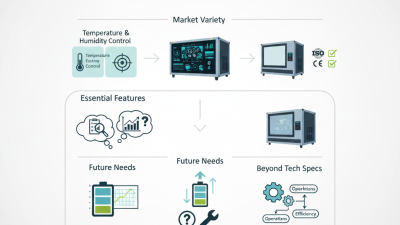
When selecting a battery test chamber, understanding key features and specifications is critical. These chambers ensure your battery performs safely and efficiently under various conditions. Features like temperature and humidity controls, as well as custom testing profiles, can significantly affect test outcomes.
Tips: Always check the chamber's temperature range. Some batteries require specific conditions. The chamber's size matters too. Ensure it fits your testing needs without overcrowding.
Another key aspect is safety. The chamber should include features like ventilation and explosion-proof designs. These measures protect both the equipment and personnel. Reliability and accuracy in testing are paramount. Choose a chamber that allows precise measurements and repeatable results.
Tips: Consider your future testing needs. Opting for a flexible design can accommodate various battery sizes and types. Customizable options can save costs in the long run. Reflect on your testing environment; an adaptable chamber can enhance overall versatility.
Temperature and Humidity Control: Importance in Battery Testing
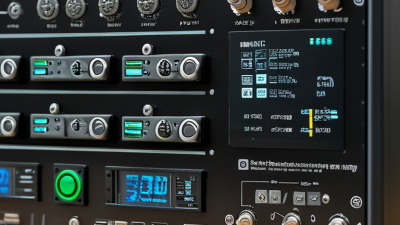
Temperature and humidity control play critical roles in effective battery testing. For accurate results, maintaining consistent environmental conditions is essential. According to a report by the International Electrotechnical Commission, fluctuations in temperature can lead to significant variances in battery performance, influencing assessments of capacity and cycle life.
High humidity levels are equally concerning. They can lead to accelerated corrosion, impacting battery longevity. A study found that batteries exposed to high humidity experienced a reduction in service life by up to 30%. Moreover, inconsistent temperatures can lead to thermal runaway, presenting safety risks. Proper testing chambers account for these environmental factors, ensuring reliable results.
Choosing the right battery test chamber involves weighing these factors. Not all tests require the same settings. Some applications may tolerate a wider range of conditions, while others need meticulous control. A balanced approach considers the specific needs of the battery type and its intended application, thereby enhancing the relevance of test data. Test chambers with advanced humidity control features can prevent common issues. Reflecting on these aspects can elevate the quality of battery testing considerably.
Temperature and Humidity Control in Battery Testing
Common Standards for Battery Testing: IEC, UL, and Others
When selecting a battery test chamber, understanding testing standards is crucial. The most common standards include IEC, UL, and others. Each standard addresses specific safety and performance criteria.
IEC standards emphasize international safety and battery performance requirements. They are widely recognized and adopted across different regions.
UL standards, on the other hand, focus on safety and risk management. They provide guidelines to minimize hazards associated with battery testing. These standards ensure that products meet stringent safety goals. Compliance with these guidelines enhances the credibility of your testing processes.
While following these standards is important, challenges often arise during implementation. Not all chambers meet every standard, which can lead to confusion. For example, a chamber might comply with IEC but not UL. This inconsistency could create potential gaps in your testing procedures.
Accurate documentation and thorough understanding of each standard's requirements are vital for effective compliance. Battery testing is complex; understanding different standards can refine your selection process and influence your product’s safety and reliability.
Evaluating Test Chamber Capacity and Size for Your Battery Applications
When selecting a battery test chamber, size and capacity are crucial. The chamber's dimensions must accommodate your specific battery types.
Consider both the volume and the arrangement of batteries to ensure effective testing. A chamber that is too small may restrict airflow, leading to inaccurate results.
Test chambers come in various sizes. Large chambers may suit automotive batteries, while smaller models can work for consumer electronics. Evaluate your testing needs carefully. The right size can enhance efficiency and reliability in tests.
Tips: Measure existing battery dimensions precisely. Factor in additional space for safety equipment. Also, think about future testing needs.
You may need to upgrade later. Prioritize chambers with adjustable features. Flexibility can save costs and time.
Don't forget to check for ventilation options. Adequate airflow can significantly impact temperature control during battery tests.
Cost vs. Performance: Making Informed Decisions in Battery Testing Solutions
Choosing the right battery test chamber involves careful consideration of
cost versus performance. A higher price doesn’t always mean better quality. Analyze your specific testing needs
before making a purchase. Understand the parameters you will be testing, such as temperature range
and humidity levels. Each application requires different conditions. For example, electric vehicle
batteries need stringent testing environments.
Performance metrics are critical in decision-making. Look for chambers that provide precise temperature control
and uniformity. These features ensure reliable results. However, balancing these specifications with
your budget is vital. Investing in advanced technology can enhance accuracy but might stretch your finances.
Explore options that fit both your performance requirements and financial constraints.
Reflecting on your choices is equally important. Regular reviews of your testing needs can help you make more
informed decisions. Consider collaborating with experts
in the field or seeking advice from peers. Their experiences can highlight potential pitfalls and must-have features.
Remember, the right balance between cost and performance
leads to successful battery testing endeavors.